
Election officials just banned certain public workers from trading on prediction markets. The timing makes sense. Nothing builds confidence in democratic institutions like reminding people those institutions needed a rule against employees betting on outcomes they help administer.
The ban targets workers who might have access to information the rest of us don't. Early vote totals. Registration data. Which precincts use machines that jam when humidity tops sixty percent. Standard stuff. The kind of edge that would make a Polymarket whale weep with envy.
Here's what kills me. Someone had to propose this. Someone sat in a conference room and said we should probably stop Larry from the county clerk's office from going long on Republican Senate seats while he's processing mail-in ballots. Everyone nodded. They formed a committee. They drafted language. They issued a press release about their commitment to integrity.
Which means before this ban, it was fine. Gary could spend his lunch break trading contracts on election outcomes while literally counting the f*cking votes. The free market worked exactly as designed. Information flowed to its most efficient use. A beautiful system.
The reassurance angle is my favorite part. Officials want the public to know they take election integrity seriously. Nothing says we've got this under control like announcing a new rule against behavior you just realized was happening. It's the regulatory equivalent of a restaurant putting up a sign that says Employees Must Now Wash Hands.
Prediction markets spent years arguing they're the purest price discovery mechanism ever created. The wisdom of crowds. Skin in the game. Better than polls because money talks. Then election officials said cool, but maybe not when the crowd includes people literally running the election. Markets hate insider trading right up until they have to define what insider means.
Retail traders just lost their best fade signal since Cramer started tweeting.
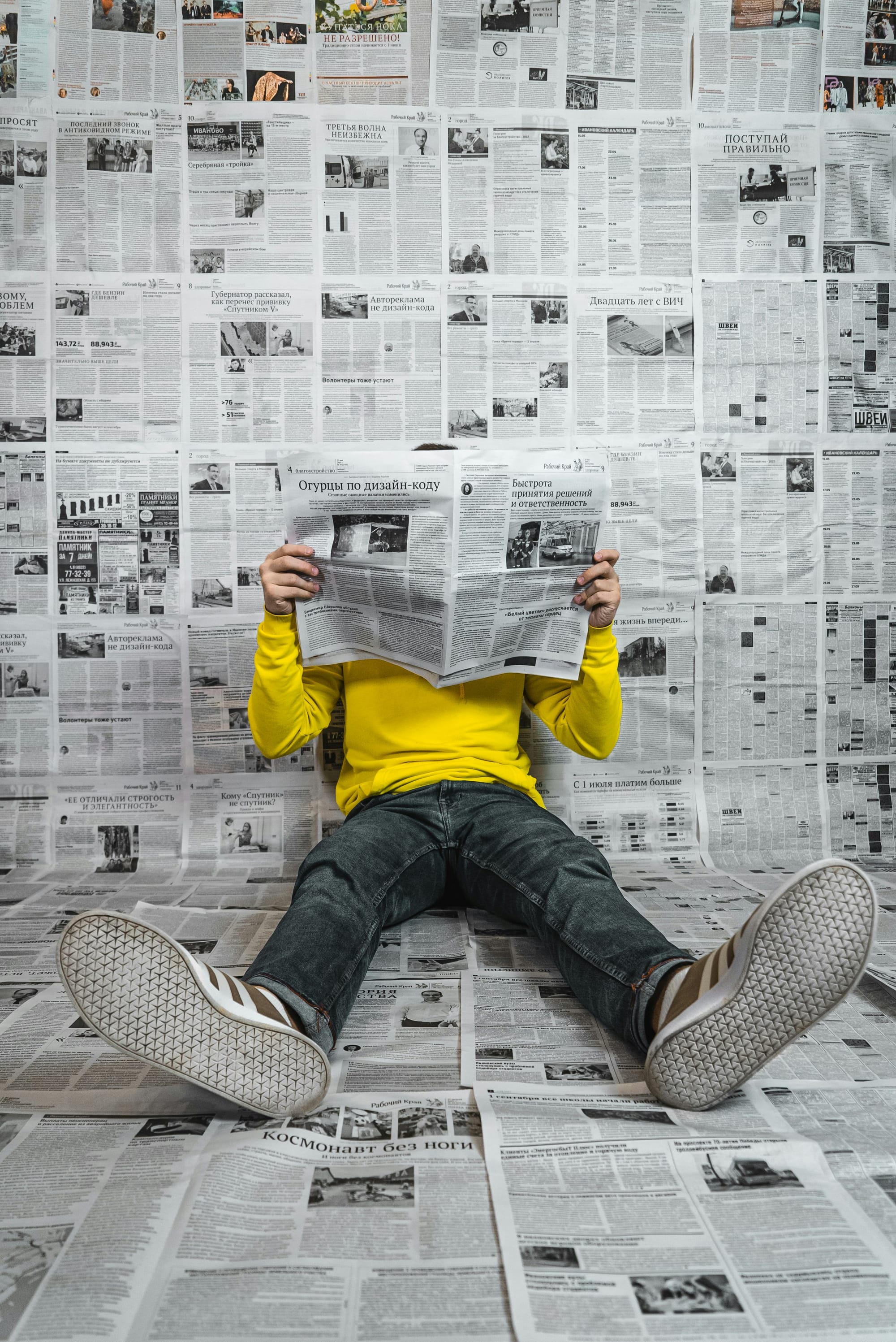
Photo by on Unsplash





Leave a Comment