

Eli Lilly's CEO announced 700,000 new seniors started GLP-1 drugs after Medicare coverage kicked in. He also noted 70% picked Lilly's version. These are the kinds of metrics you'd share if you wanted investors to know you won the government lottery without saying you won the government lottery.
Medicare coverage launched in July. That means in roughly two months, three-quarters of a million old people decided their diabetes or weight was bad enough to start injecting themselves with something that costs more than their car payment used to. Lilly captured seven out of ten of them. Novo Nordisk got the other three and probably cried into a pile of Danish kroner.
The CEO felt compelled to share these numbers publicly. Not in an earnings call. Not in a filing. Just out loud, to reporters, like a kid showing off his report card. "Look how many customers the government bought us." Inspiring stuff.
Retail traders saw this headline and immediately started Googling whether 70% market share is good. Yes, it's good. It means when the government writes a check for drug coverage, Lilly's name is on most of the prescriptions. That's the business model. Get the government to pay. Count the pills. Repeat.
The best part is calling them metrics on expanded access. Access expanded because taxpayers started footing the bill for drugs that cost a mortgage payment. Lilly didn't lower prices. Medicare just started paying them. But sure, let's call it expanded access like it's a charitable mission instead of a subsidy with a press release.
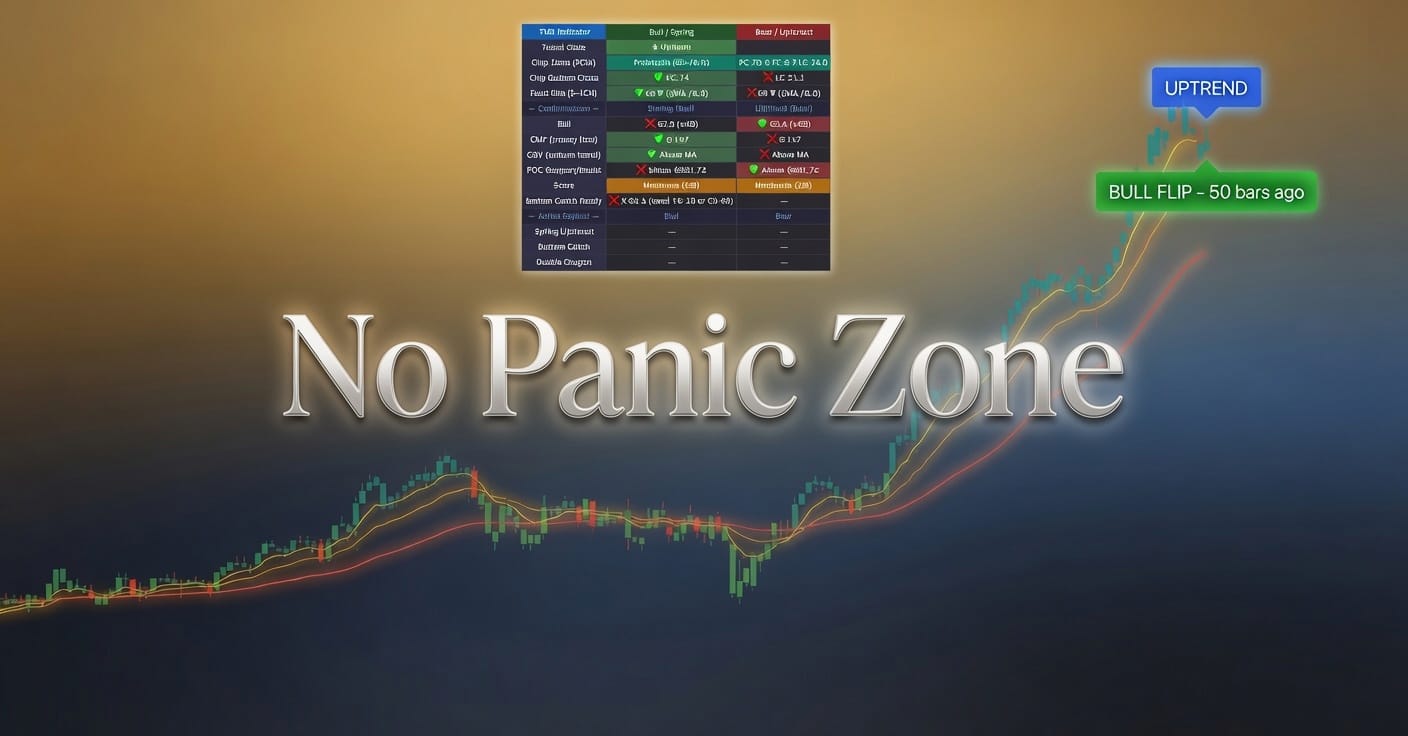
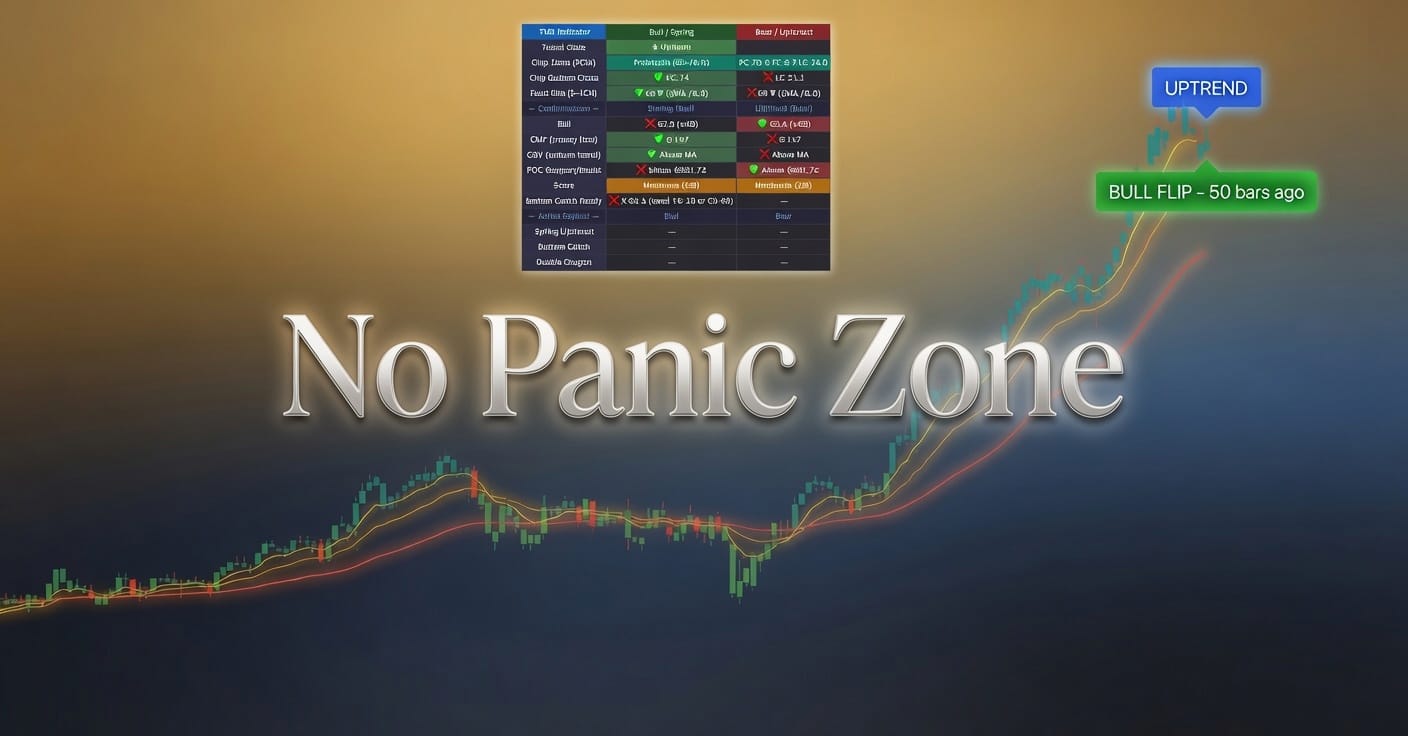
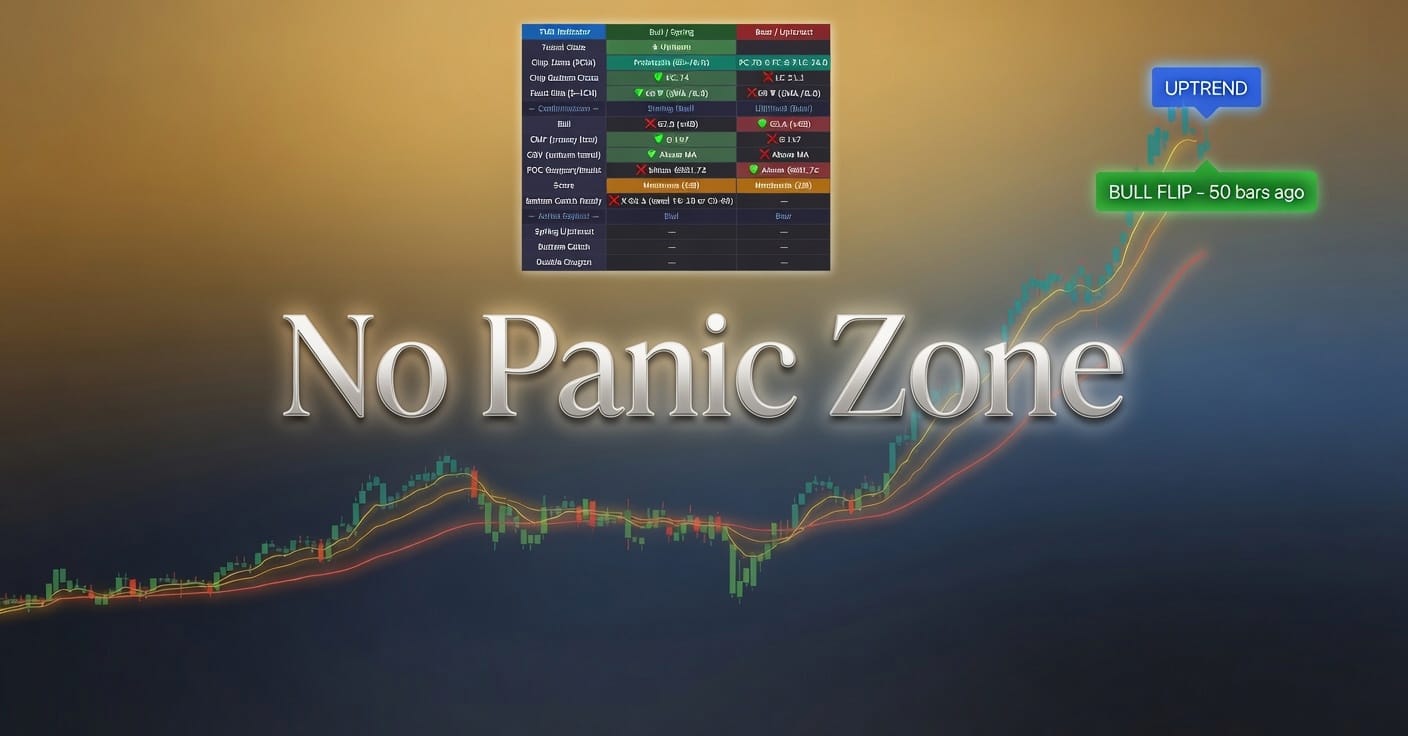
Somewhere a technical analyst is looking at Lilly's chart and pretending the CEO's victory lap matters. It doesn't. The stock already priced in the Medicare coverage months ago. But retail traders will read this headline, buy calls on Monday, and wonder why they're worthless by Wednesday when nothing changes.
The government bought Lilly 490,000 new customers in two months and all we got was a CEO who can't stop bragging about his market share.
Photo by on Unsplash




Leave a Comment