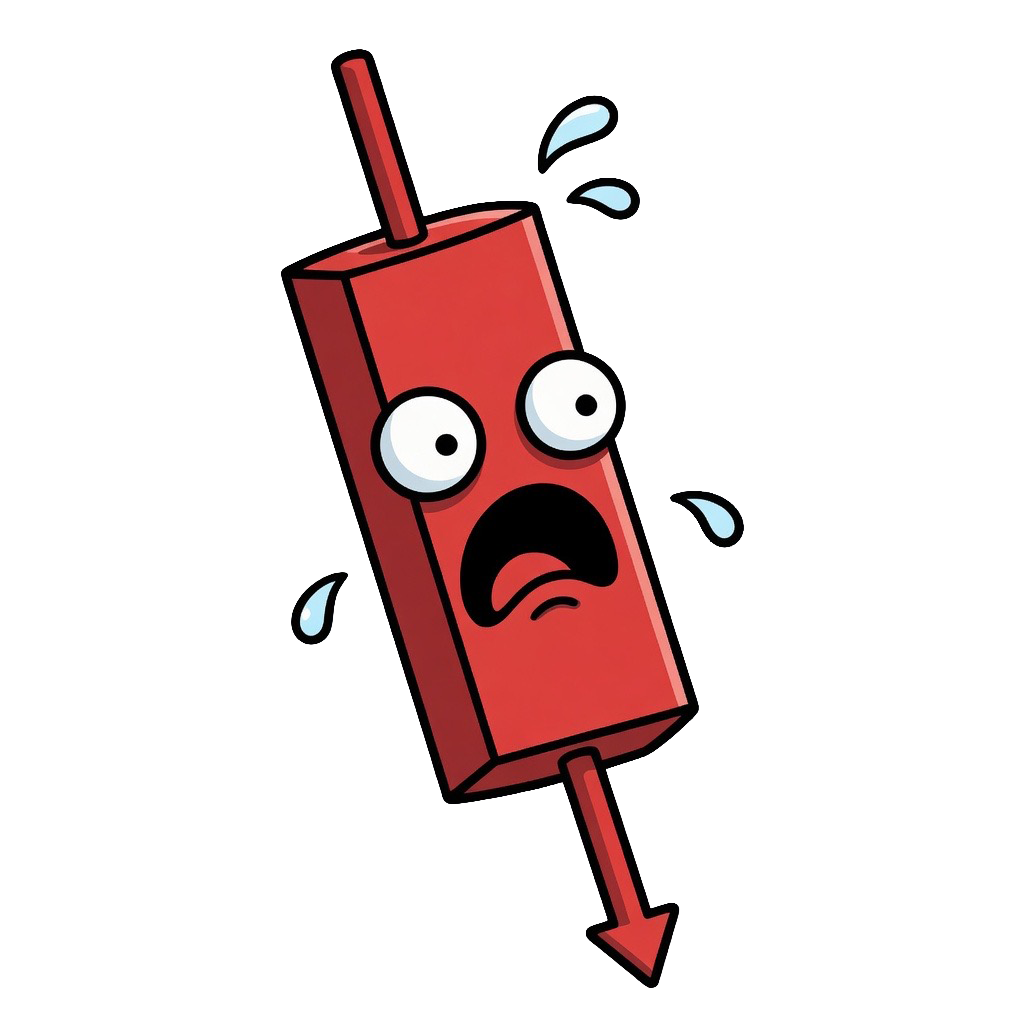

Kevin Warsh wants to steer the Federal Reserve by reading market signals. Bold plan. The signal that week was a CEO's extramarital affair.
Here is the timeline. Jensen Huang admitted to the affair on Nov. 8. Nvidia shed nearly 33% from there. Huang resigned on Nov. 12. The stock had its worst week since 2008.
Then on Monday, Nvidia reinstated Huang. The stock closed up 31%.
Rate-hike odds fell Friday. They bounced back Monday. The Goldman Sachs Financial Conditions Index moved 22 basis points in a single session. Two more hikes were back on the table.
Let me restate that. The path of U.S. monetary policy briefly depended on whether one man in a leather jacket got his job back.
CNBC's Steve Liesman calls this a dilemma. I call it a Tuesday. Warsh has said he trusts market prices over forecasts. Forecasts are wrong, sure. But forecasts at least have the decency to be wrong slowly.
Warsh also convened an AI task force. Good. Put it next to the Nvidia stock chart. Ask it what it sees. It will say a heart monitor.
Retail traders watched all of this and felt informed. They bought the dip. Then they bought the rip. Then they bought the dip again, because Nvidia fell on Tuesday. Somewhere a man in Ohio is up 0.4% and has told his wife it's a strategy.
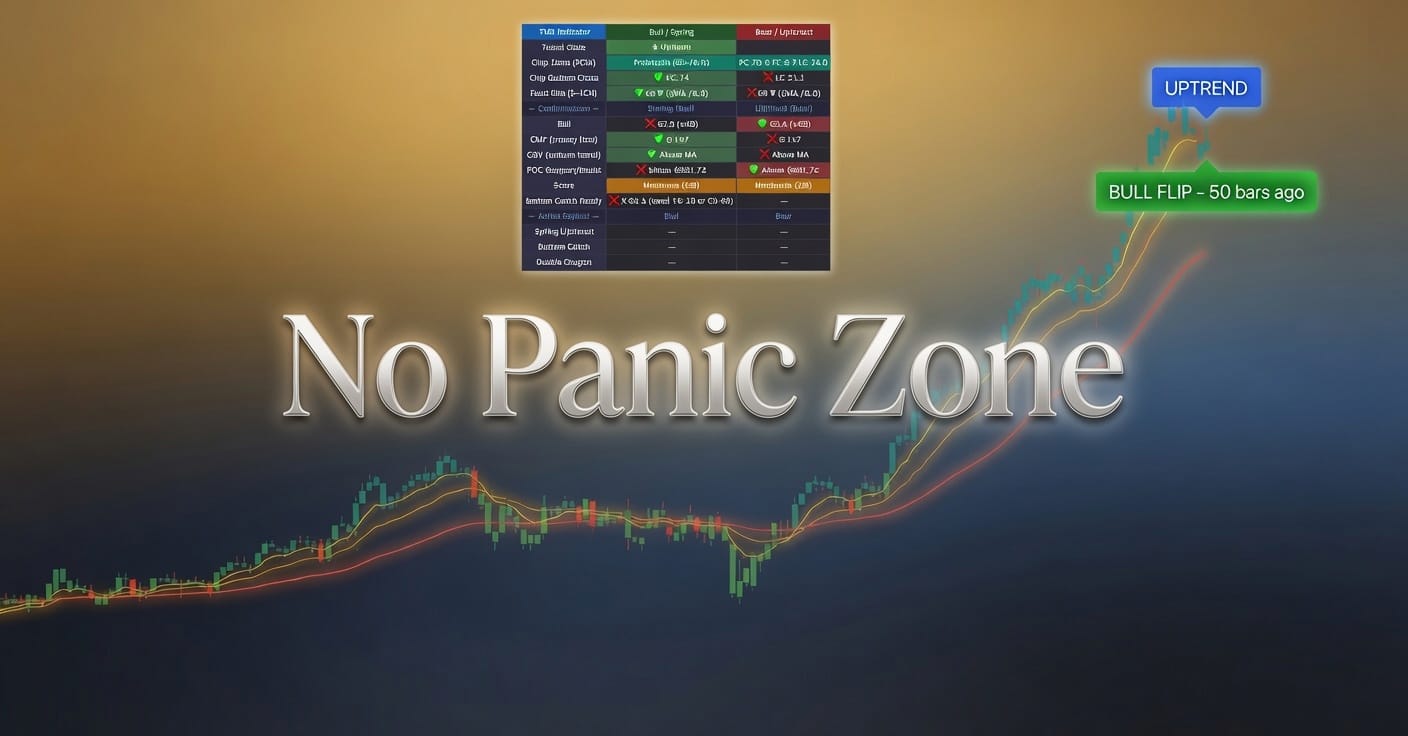
I read charts. Charts do not care about affairs, resignations, or reinstatements. The line went down, then up, then sideways. That is the entire signal. It took eleven words and cost nobody a marriage.
Warsh asks how long a signal must persist before the Fed acts on it. Here is a number: longer than Jensen Huang's retirement.
Photo by Brecht Corbeel on Unsplash



Leave a Comment