

The Federal Reserve held rates steady. Nothing happened. Financial media wrote 4,000 words about it anyway.
The headline promises to explain what this means for credit cards, mortgages, auto loans and savings accounts. Here is the explanation. It means what it meant yesterday.
Unchanged is the key word. Unchanged means unchanged. You can't improve on that sentence, and the article will try anyway.
Consider the credit card holder. Carrying a balance at a rate north of 20 percent. Refreshing a news page to see if Jerome Powell's institution will rescue him from the Cheesecake Factory charges. It will not. Powell has never met him. Powell has never heard of the Cheesecake Factory, probably.
Consider the mortgage shopper. Watching the Fed like a hawk. A hawk that cannot buy a house, but watches anyway. He believes the committee's quiet is a message meant for him. It is a message meant for bond desks. He is not a bond desk. He is a man with a spreadsheet and a dream of a third bathroom.
Consider the savings account. Your bank pays you a fraction of what the Fed benchmark suggests it could. The bank knows this. You know this. The bank sends you a cheerful email anyway.
Auto loans are the funniest part. People will agonize over a quarter point on a loan for a vehicle that loses value the moment it leaves the lot. The depreciation is the real rate. The Fed is the weather.
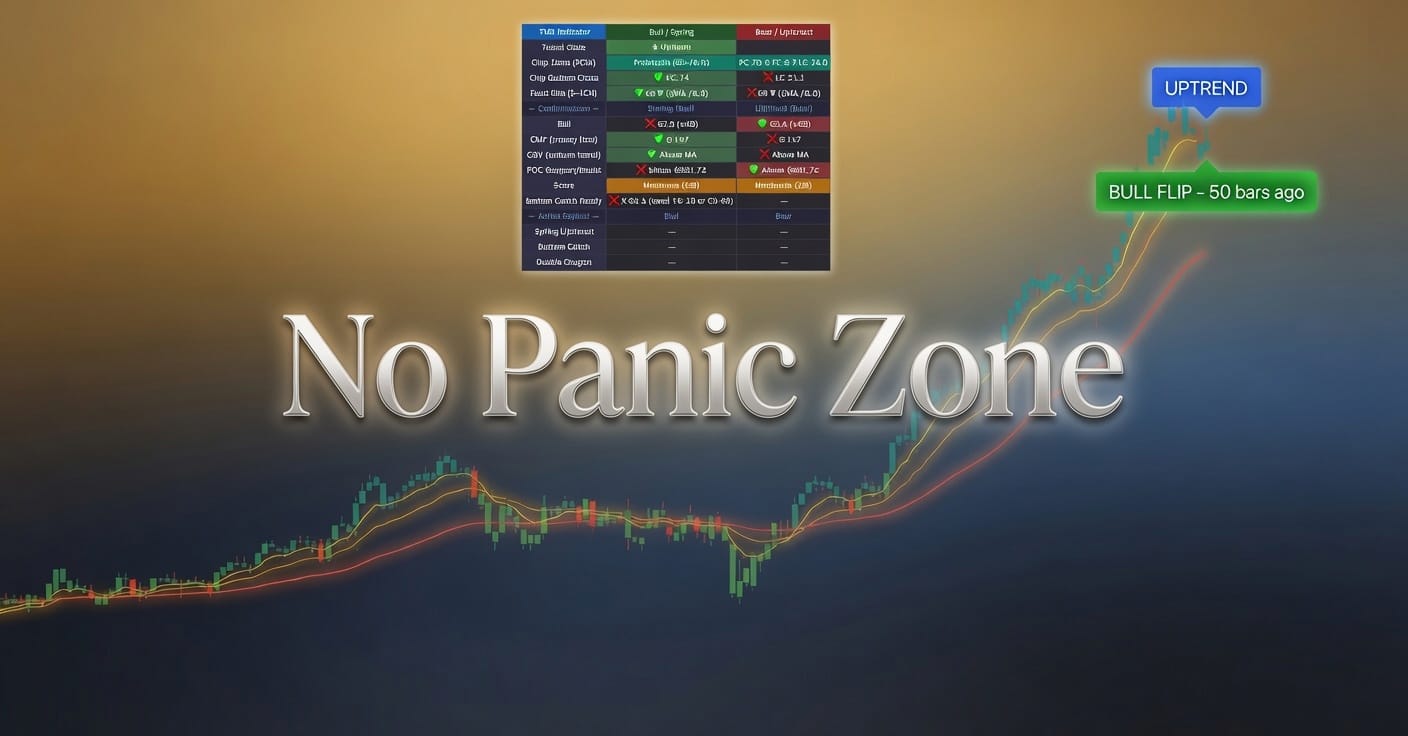
I look at charts. Charts do not care about meetings. A committee spent days deliberating, then published a statement whose main feature was that it changed nothing. Somewhere a retail trader bought calls on that.
Rates are unchanged. Your portfolio is unchanged. Your skill level is, tragically, also unchanged.
Photo by Markus Winkler on Unsplash





Leave a Comment