
South Korean prosecutors indicted four major oil refiners for price collusion. The companies allegedly violated fair trade laws by coordinating prices. This happened in South Korea, where apparently someone still prosecutes antitrust violations.
Four refiners. Not three. Not five. Four companies looked at each other and agreed that competition was for suckers. They picked up phones. They sent emails. They held meetings where someone said "What if we all just charged more?" and everyone else nodded.
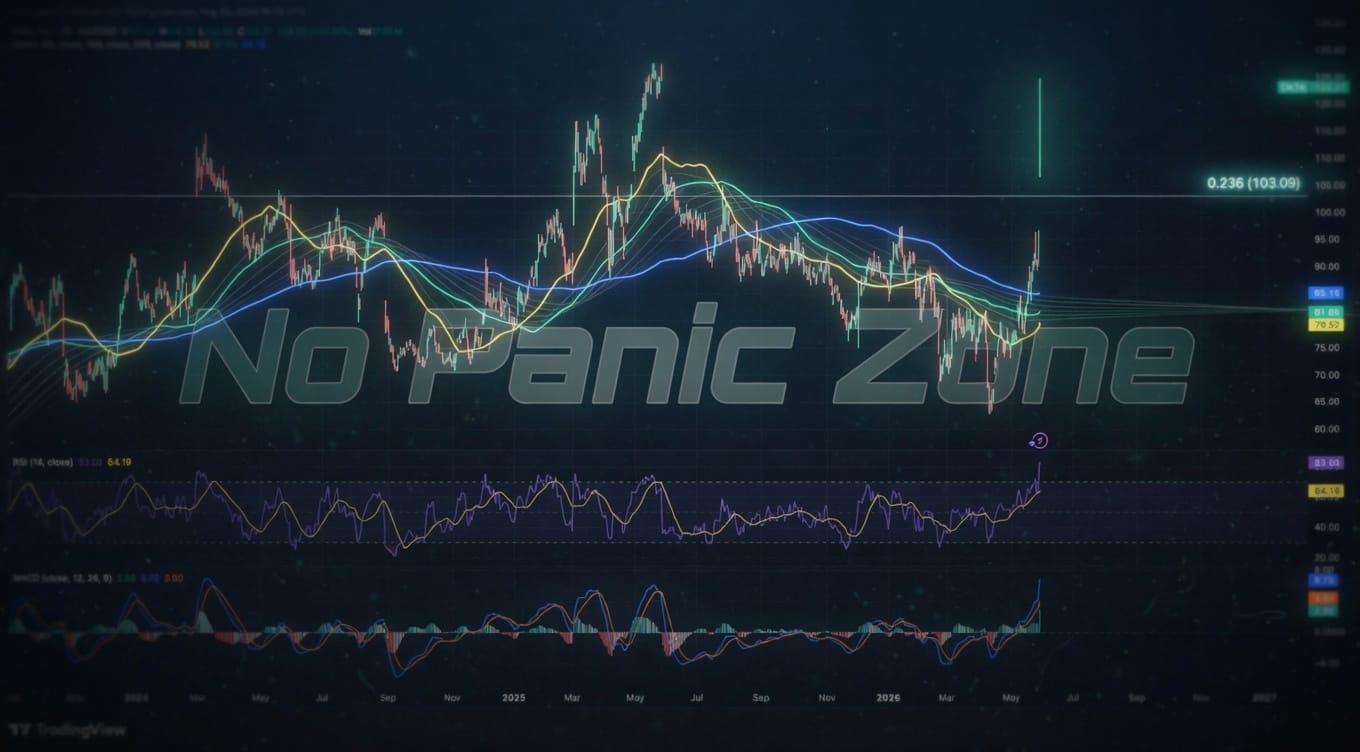
The technical setup here is flawless. Resistance at "getting caught." Support at "we thought this would work forever." The 50-day moving average of regulatory oversight finally crossed above the 200-day moving average of corporate arrogance. Extremely bullish for the South Korean legal system.
Retail traders in Seoul are now frantically Googling "what is a refiner" and "can I trade this." They cannot. The stock tickers are probably suspended. But that will not stop them from opening TradingView and drawing trend lines on companies they have never heard of until today.
The refiners coordinated oil prices. Oil prices, which are famously stable and easy to manipulate if you just believe in yourself. These executives watched every cartel documentary ever made and thought "Yeah, but we'll be different." They were not different.
Chart patterns did not predict this. Your Fibonacci retracements did not see it coming. The head-and-shoulders formation you spotted last week on crude futures has nothing to do with four Korean companies getting indicted for running a cartel. But you will find a way to connect them anyway because you need to believe the market is telling you secrets.
The prosecution filed charges. The refiners will defend themselves. The outcome will have zero impact on your portfolio unless you specifically own shares in these four companies, which you do not, because you buy meme stocks and call it diversification.



Leave a Comment