

Mutual fund families are preparing large capital gains distributions. You will owe taxes on them.
Even if you bought the fund in March. Even if the fund lost money on your shares. Even if you forgot you owned it.
This is the design.
Here is how it works. A fund manager sells winners inside the fund. The law requires the fund to hand most of those gains to shareholders. Shareholders get a 1099. The manager gets to say he was "repositioning."
You did not choose any of this. You clicked "buy" on a fund because a podcast host with a vocal fry said "diversification." Now Fidelity, Vanguard and their cousins are about to hand you a bill for trades you never saw, made by a man in a fleece vest you will never meet.
The advice is to check distribution estimates before you buy. Fund companies publish them in the fall. Look at them. Or don't. You've never read a prospectus. You read the first four words of a headline and bought a ticker.
The other advice is to hold these funds in an IRA or 401(k), where distributions don't trigger a bill. That requires you to have an IRA. Half of you keep your retirement plan in a Notes app titled "money?"
Another option is selling a loser to offset the gains. That's called tax-loss harvesting. It requires you to own a loser. Statistically, you own nine.
The final option is switching to an ETF, which usually distributes far less. Your fund family has known this for twenty years. They have not told you. They send a holiday card instead.
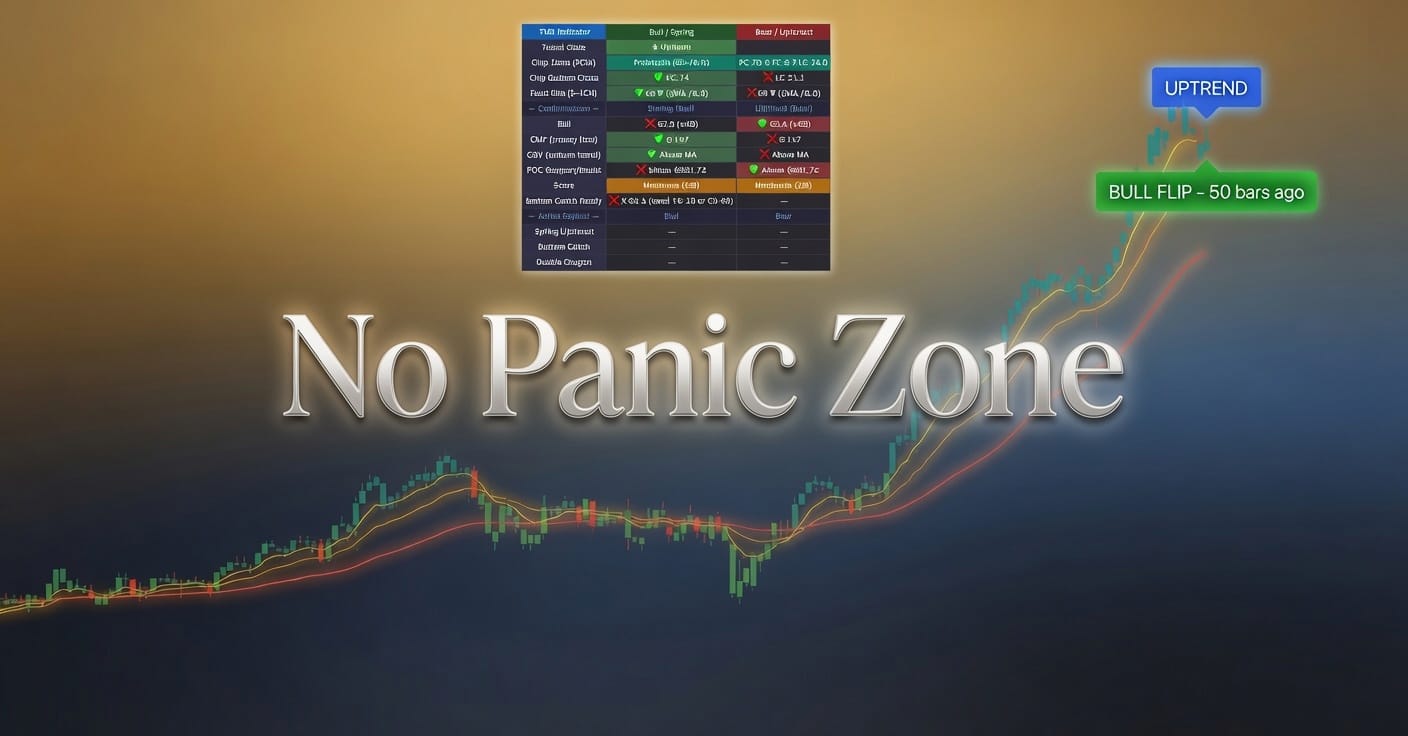
Technically, the chart says nothing about any of this. Charts do not care about your 1099. Charts are the only honest thing in finance, and they still won't return your calls.
Pay the tax, champ. It's the only dividend you were ever going to get.





Leave a Comment