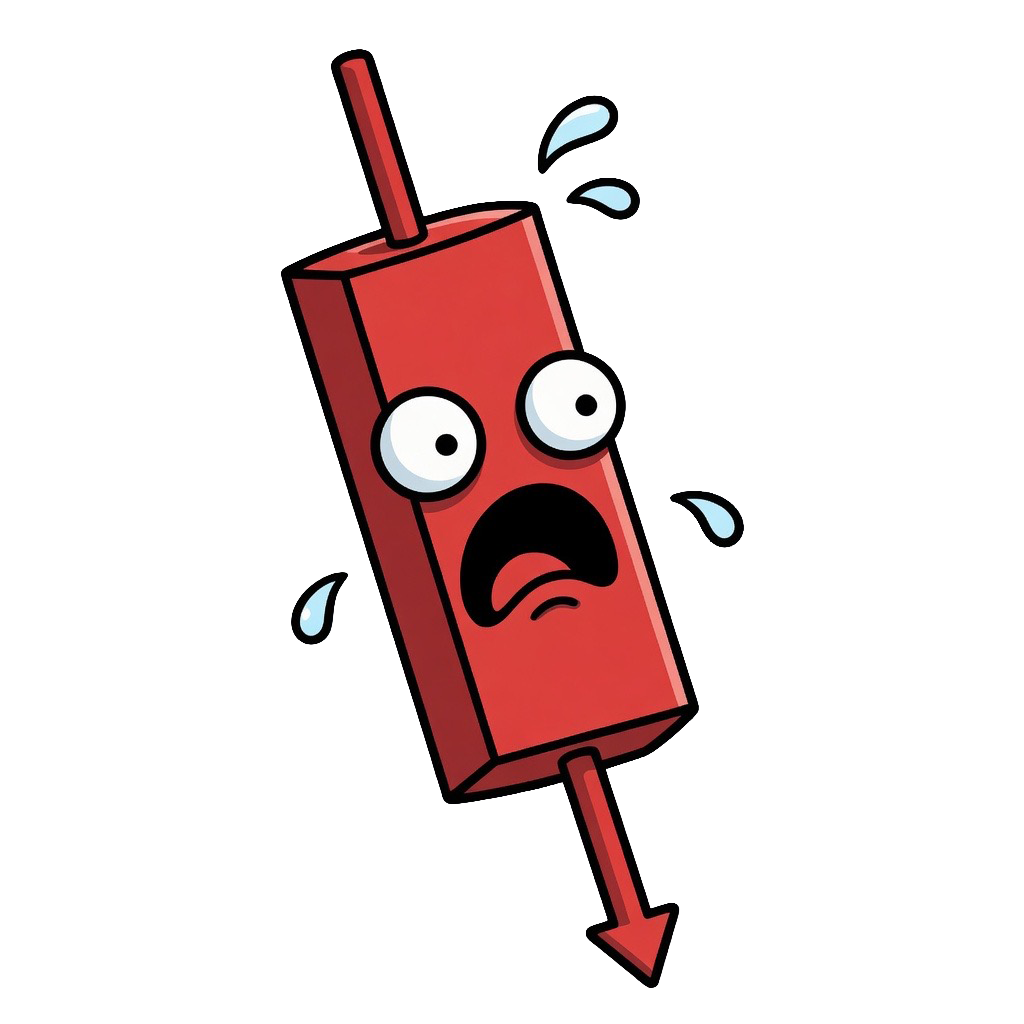

Goldman Sachs wants you to buy five stocks. They won't tell you which five until you're already a client. This is called marketing.
The firm said investors should "take advantage" of recent declines. That's Wall Street for "catch a falling knife with your face." When stocks go down, someone at Goldman writes a note saying they should go back up. When stocks go up, someone writes a note saying they're overvalued. Both notes get published. Both get headlines. One will be correct. That analyst gets a promotion.
Here's what happened. Five stocks dropped. Goldman's equity research team needed content. They picked those five. They called it a buy-the-dip opportunity. They sent it to institutional clients on Monday. By Tuesday it leaked to financial media. By Wednesday you're reading about it. By Thursday the institutional clients already sold to you. By Friday you're checking your brokerage app wondering why conviction feels like nausea.
The phrase "before it's too late" does heavy lifting here. Too late for what? Too late before Goldman changes its rating again? Too late before another analyst at Morgan Stanley says sell? Too late before the stocks go lower and some other firm tells you to buy that dip? There are infinite dips. This is the entire model.
Retail traders see this headline and think they've been given a map. They haven't. They've been given a participation trophy. Goldman is not your friend. Goldman is not your enemy. Goldman is a company that makes money when you trade. You know what makes you trade? Headlines that say act now.
The technical picture is irrelevant. The fundamentals are irrelevant. The only relevant data point is that someone convinced you urgency exists where it does not.
Buy the dip. Sell the rip. Read the note. Ignore the note. None of it matters because you're getting the information after the people who paid for it already acted on it.
Photo by on Unsplash





Leave a Comment