

Iran starts a war. Oil spikes. Treasury yields climb. Your savings account gets smaller. This is not a complex chain of events.
The estimated household damage comes to $1,700. That number assumes you drive a car, heat a home, and occasionally borrow money. If you do none of these things, congratulations on your tent.
Retail traders spent the last three years convinced they could day-trade their way to financial independence. They bought the dip on meme stocks. They learned about gamma squeezes from a Reddit post written by a teenager. They ignored every macro indicator that wasn't packaged in a TikTok with subway surfer footage playing in the corner. Now geopolitics shows up with a bill and they're shocked that global conflict affects gas prices.
The article says consumers are drawing more heavily on savings. That's a polite way of saying people are running out of money. Energy costs rise. Borrowing costs rise. Savings fall. This is addition and subtraction. You learned it in second grade.
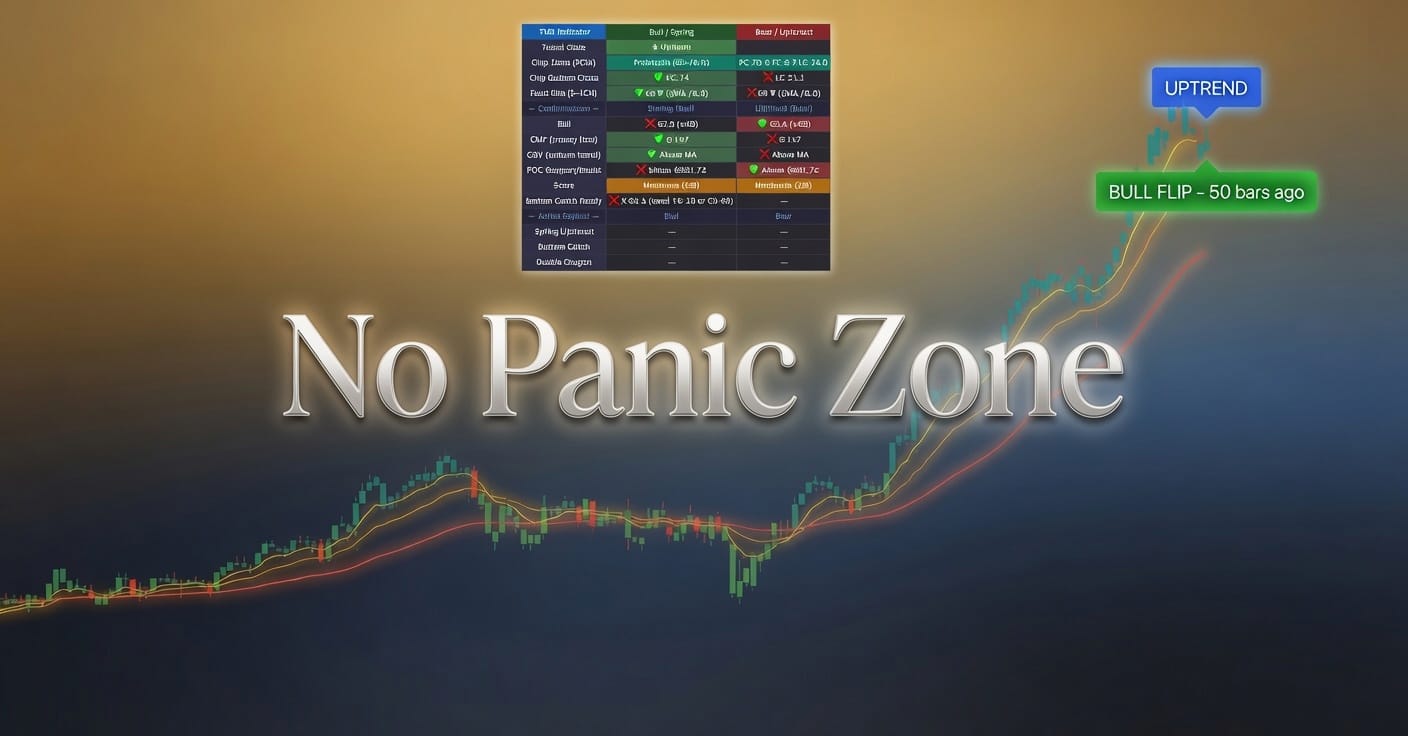
Here's what your technical analysis can't fix: when oil tankers reroute around a war zone, the price goes up. When the bond market decides long-term rates need to compensate for inflation and risk, your mortgage gets more expensive. No chart pattern predicted this. No moving average crossover warned you. No Fibonacci retracement level saved your portfolio.
The one-two punch landed because nobody saw it coming except the people who spend their entire careers watching Iran. Those people don't post in r/wallstreetbets. They don't ring a bell before the war starts. They certainly don't pause to explain it to someone who thinks a bull flag is a reason to YOLO their rent money into options.
$1,700 per household buys a lot of cope. Not enough to fill the tank, but plenty to fill the comment section with theories about why this is actually bullish.
Photo by mdreza jalali on Unsplash




Leave a Comment