

The International Energy Agency released a forecast Wednesday claiming oil supply could surge if the Strait of Hormuz situation resolves. OPEC's chief called this prediction "critical" which apparently means "wrong" in diplomatic speak. The strait reopened. Oil didn't care.
The IEA thinks peace breaks out and suddenly we're drowning in crude. OPEC thinks the IEA is huffing its own models. Both organizations get paid six figures to predict a commodity that moves 8% because a guy in Kazakhstan sneezed near a pipeline. Your cousin Derek makes the same quality predictions after three Bud Lights and he does it for free.
The Strait of Hormuz closed. Then it reopened. This is the geopolitical equivalent of your Wi-Fi router needing a reset. Twenty percent of global oil flows through that waterway but sure, let's pretend the real story is whether next year's supply projections lean bullish or bearish. Traders saw the headline, checked their charts, drew three triangles, and bought calls anyway because the 50-day moving average crossed above the 200-day and that's apparently how we make decisions now.
The IEA warned about an "oil overhang" in 2027. Overhang. They workshopped that word in a conference room for forty minutes. Could've said "too much oil" but that doesn't justify the consulting budget. Meanwhile OPEC dismissed the whole forecast as critical, which is the organizational equivalent of your dad saying "interesting" when you explain cryptocurrency.
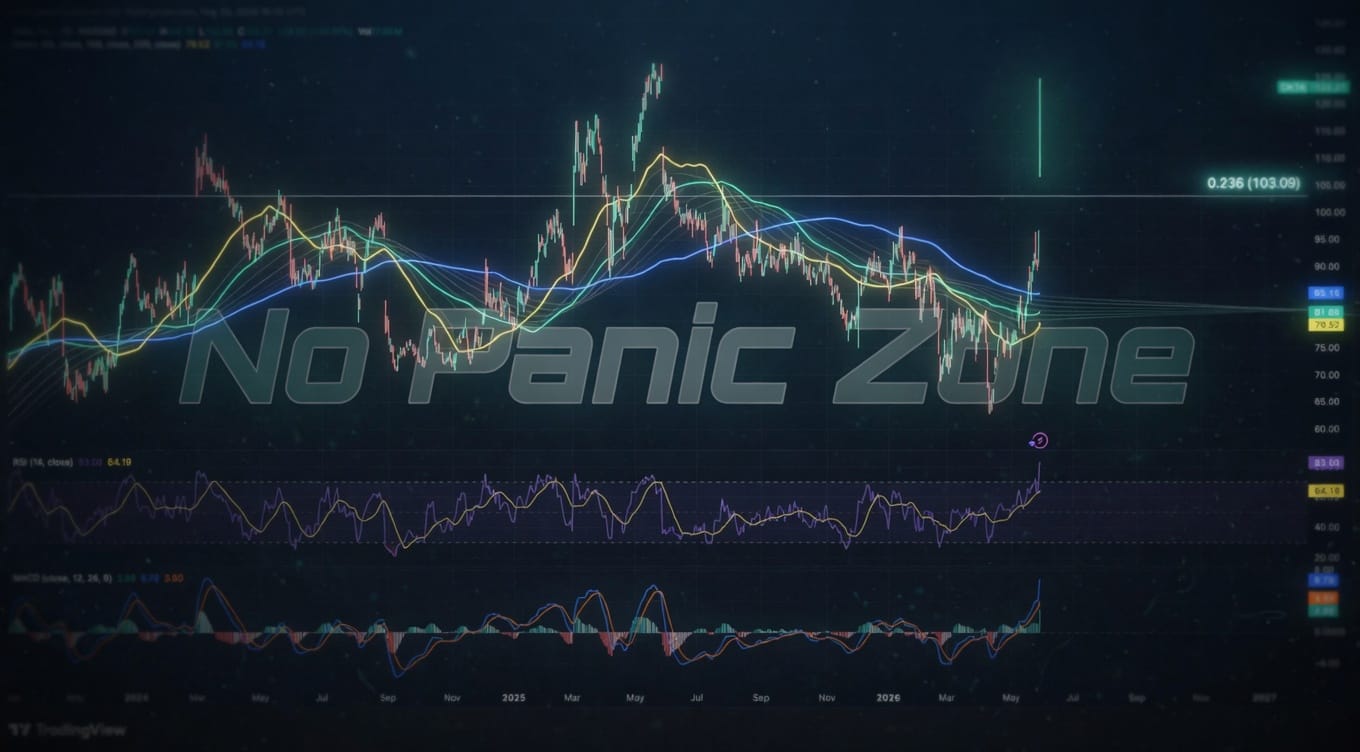
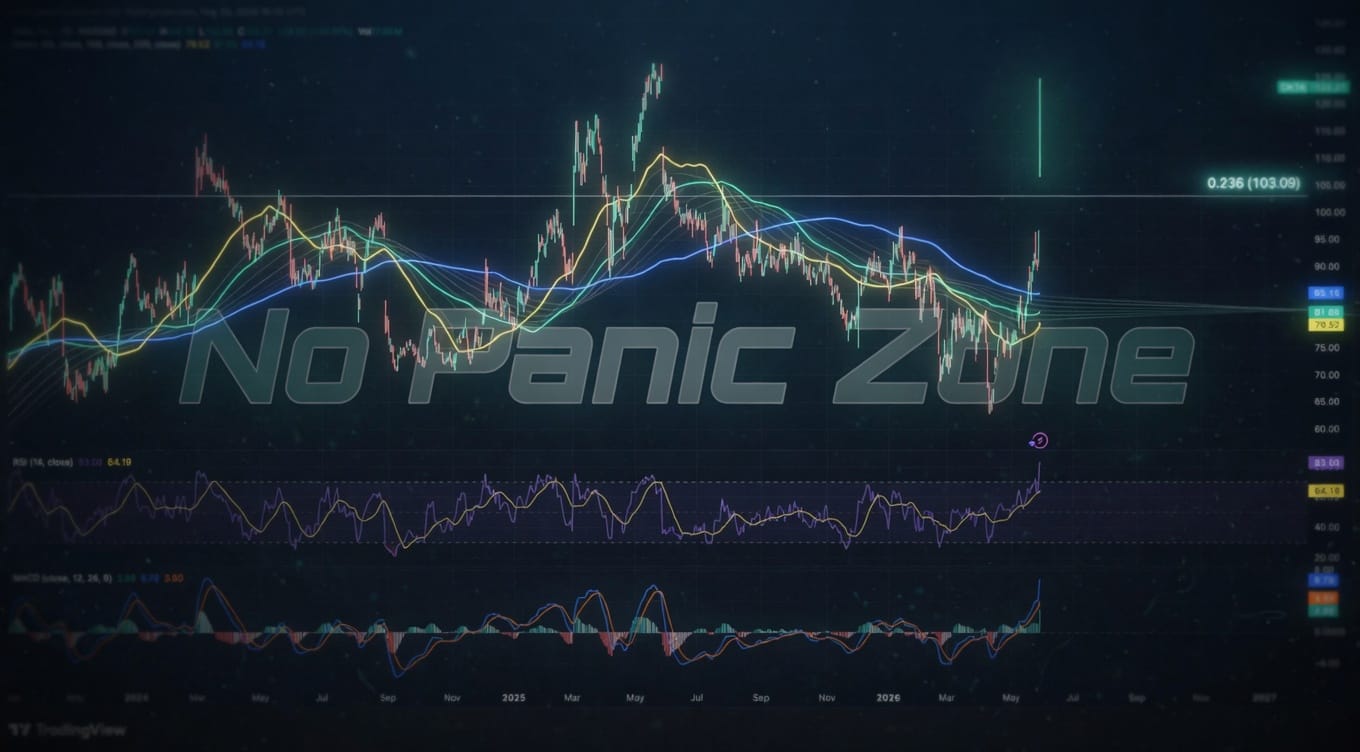
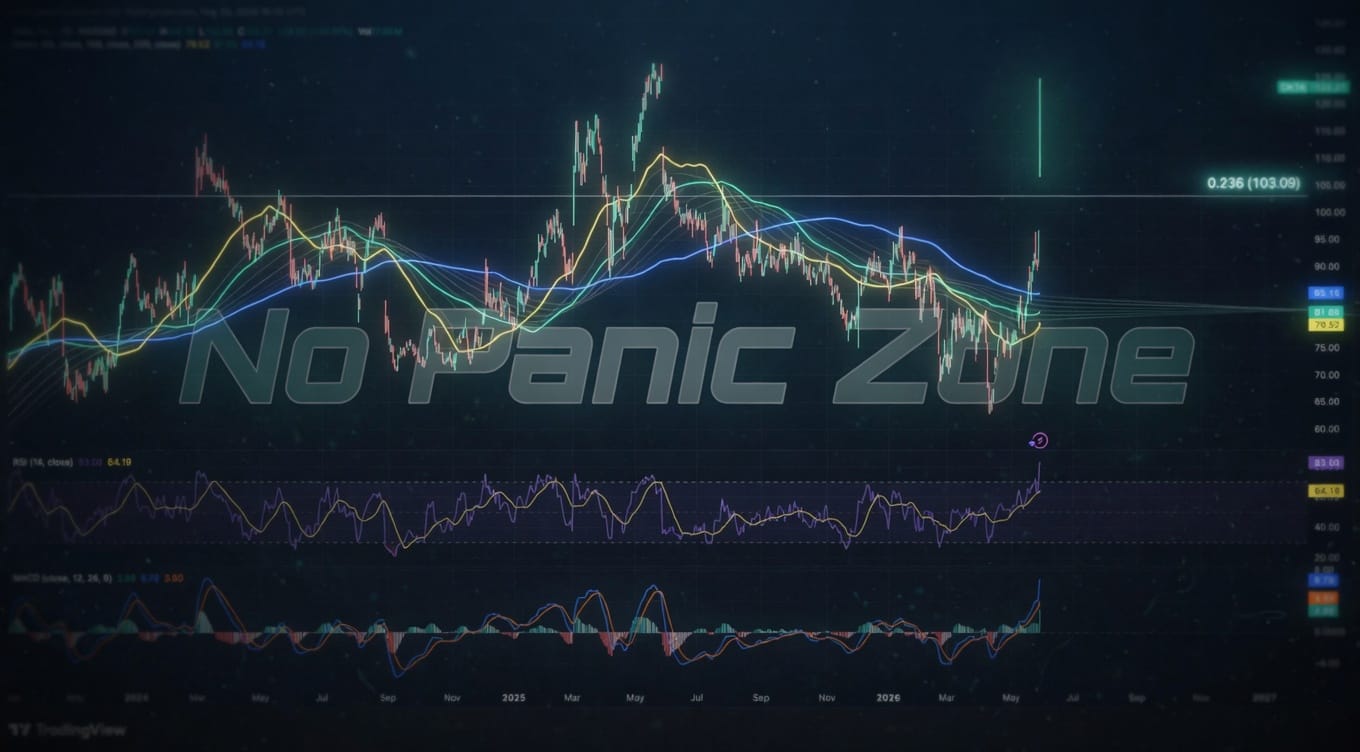
Retail traders will read this headline and think it matters. They'll open TradingView, draw a fibonacci retracement from the Strait of Hormuz to OPEC headquarters, and convince themselves they've found alpha. They haven't. They've found a reason to lose money with confidence, which is the only thing financial news ever provided anyone.
Photo by on Unsplash



Leave a Comment