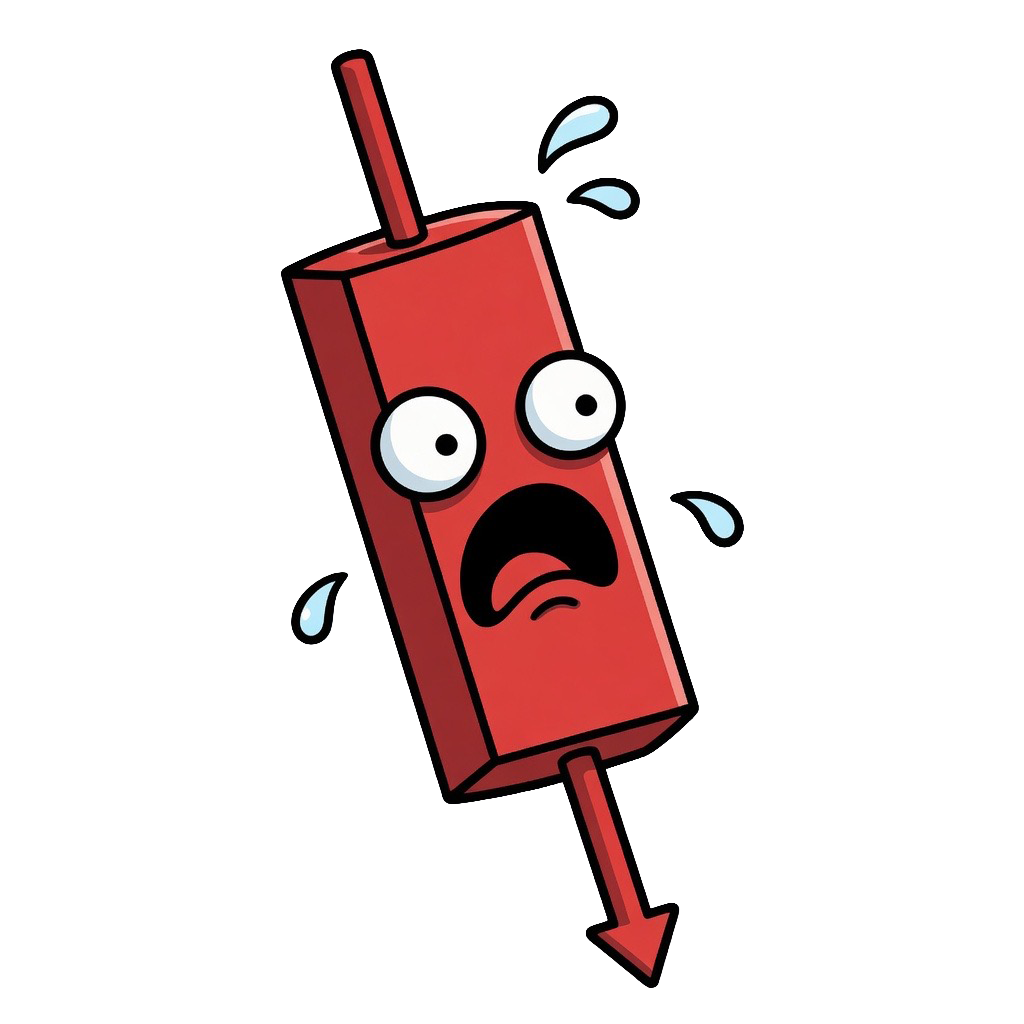

The New York Fed released survey data showing Americans feel pessimistic about their finances. Affordability pressures are mounting. An expert warned of tough choices ahead. This counts as news in 2026.
The survey asked people if they could afford things. They said no. The Fed wrote this down. Someone called it data. Another person called it a trend. A third person warned about the future using the phrase "tough choices" which means absolutely nothing but sounds grave enough to get quoted.
Here's what happened: prices went up, wages didn't keep pace, people noticed their bank accounts looked different than they used to. The New York Fed spent taxpayer money to confirm what every person already knew by looking at their checking account for eleven seconds. They published charts about it. The charts had lines that went in a direction.
Retail traders will read this headline and panic-sell their positions. Then they'll read another headline tomorrow about consumer confidence rebounding and panic-buy everything back at a higher price. They'll call this a strategy. Their broker will call it recurring revenue.
The expert warning about tough choices didn't specify which choices or how tough or when. Could mean anything. Could mean skip Starbucks twice a week. Could mean eat the dog. The vagueness is the point. If you make the warning fuzzy enough, you can claim you were right no matter what happens.
Americans have grown more pessimistic about their finances every single year since someone started asking them about it. They were pessimistic in boom times. They were pessimistic in bust times. They'll be pessimistic when we're all driving flying cars and pessimistic when we're fighting over canned beans in the wasteland. The New York Fed will survey them either way and someone will write it up like it matters.
The tough choices are whether to keep reading financial news or do literally anything else with your time.
Photo by Cesar Done on Unsplash




Leave a Comment