

Nvidia ripped. The market bounced. Retail traders declared the bottom.
The standard playbook says otherwise. Every strategist on television is repeating the same line: this is "a low, not the final low." Translation: they have no idea, but they'd like to be quoted.
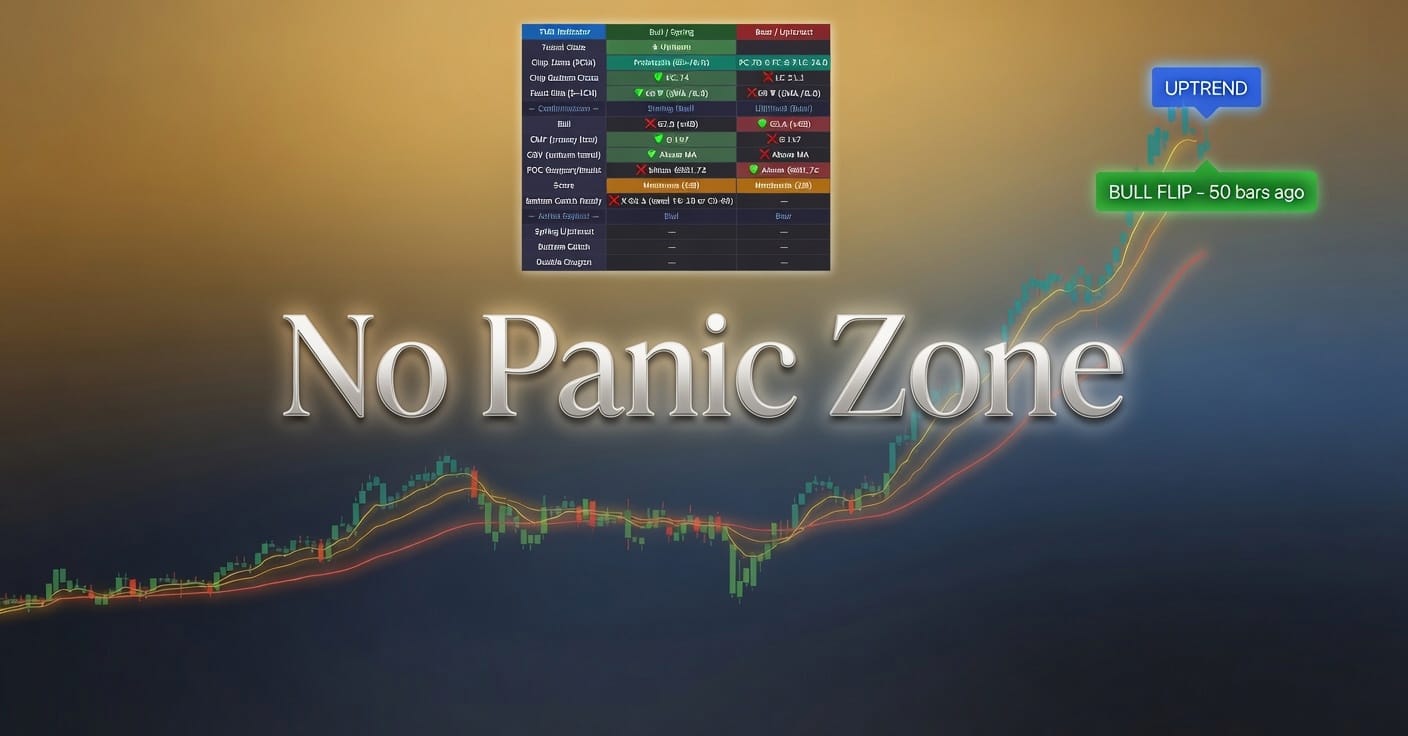
I have a chart. The chart does not care about Nvidia's earnings call. The chart does not care about Jensen Huang's leather jacket. The chart cares about volume, trend, and whether you sold your car to buy calls.
Here is what a bounce looks like. Price goes up. Hope goes up faster. Someone on social media posts a rocket emoji and a screenshot of a $400 gain. Three days later, the screenshot is deleted.
Here is what a bottom looks like. Nobody posts. Nobody cares. Your cousin stops asking about stocks at Thanksgiving. Your cousin is currently asking about stocks.
One green day in one chip giant is not a bottom. It is a sneeze in a hospital. It tells you the patient has a nose.
Retail traders see Nvidia jump and conclude the whole market has been cured. Nvidia is one company. The S&P 500 has about 500. Do the math. Actually, don't. You'll round it wrong and buy more.
The pros call it a dead-cat bounce. I prefer "dead cat, but you're holding the leash." The cat is not walking. You are being dragged by a cat.
Will we retest the lows? Probably. Will you buy the retest? You'll buy it at the worst possible tick, then ask a chatbot why it dropped.
Wait for confirmation. Higher highs. Higher lows. Volume that doesn't look like a rounding error. Or ignore all that and trust a one-day rally led by a single stock.
Either way, congratulations on your new long-term investment in a short-term mistake.
Photo by Mariia Berezovsky on Unsplash





Leave a Comment