Oil dropped 3% on Friday because Pakistan might convince the U.S. and Iran to talk. China backs this plan. The charts don't care.
Pakistan has not successfully mediated a conflict between major powers in recorded history. This has not stopped them from trying. This has also not stopped oil traders from panic-selling on a Reuters headline about diplomatic overtures that will fail by Tuesday.
The same oil that jumped 10% this week on escalating war fell 3% on the possibility of talks. Not actual talks. The possibility of talks. Pushed by a country whose primary export is optimism about things that will not happen. Backed by China, whose primary export is backing things that serve Chinese interests.
Retail traders saw the headline and sold. They will buy again Monday when the talks don't materialize. They will sell again Wednesday when new talks are proposed. They will repeat this until they run out of money or patience, whichever comes first. It will be money.
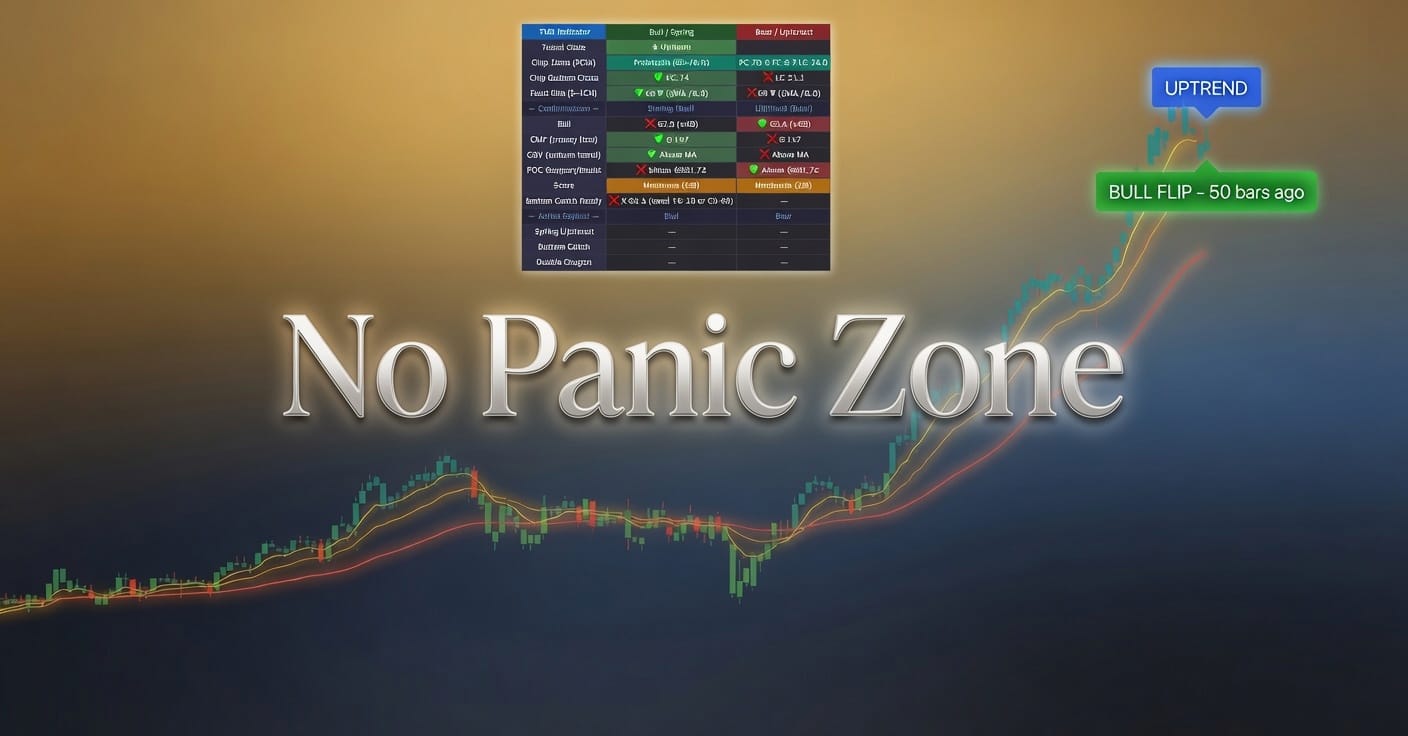
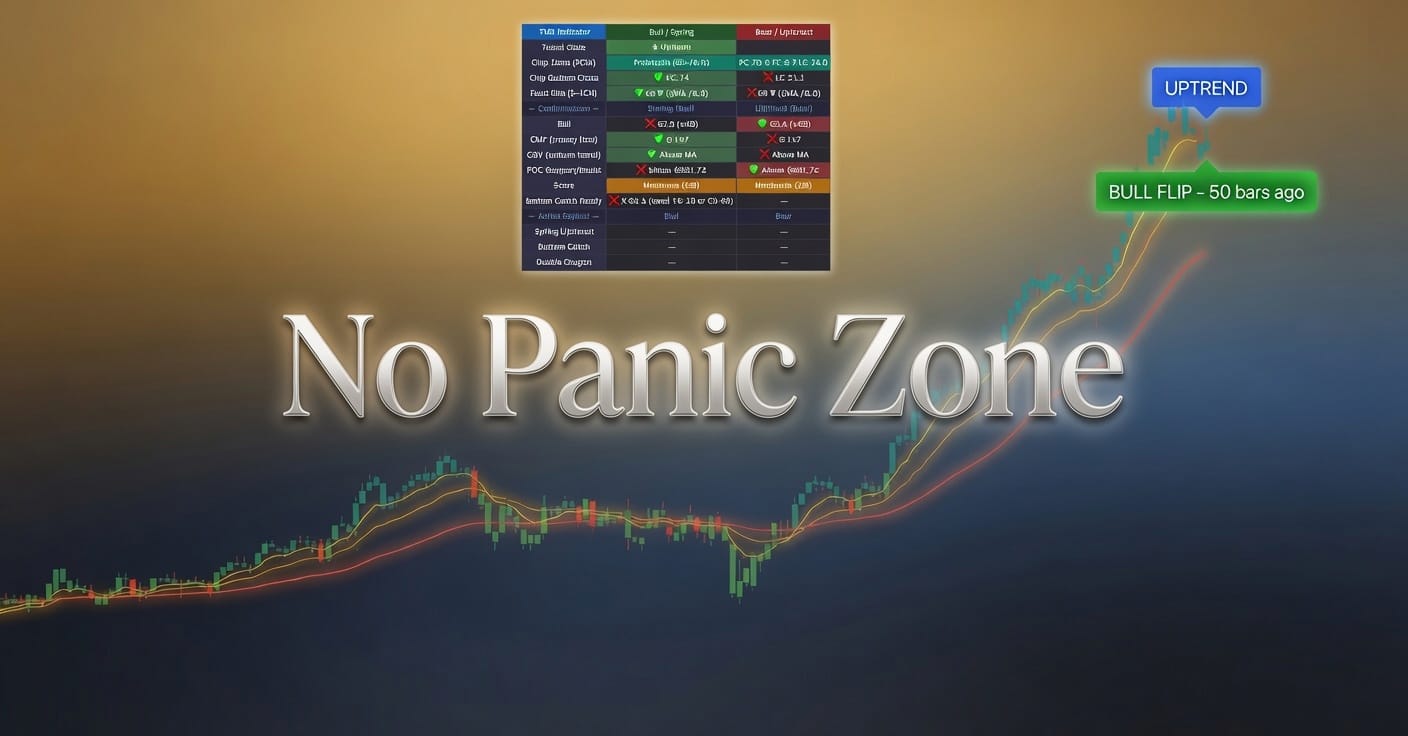
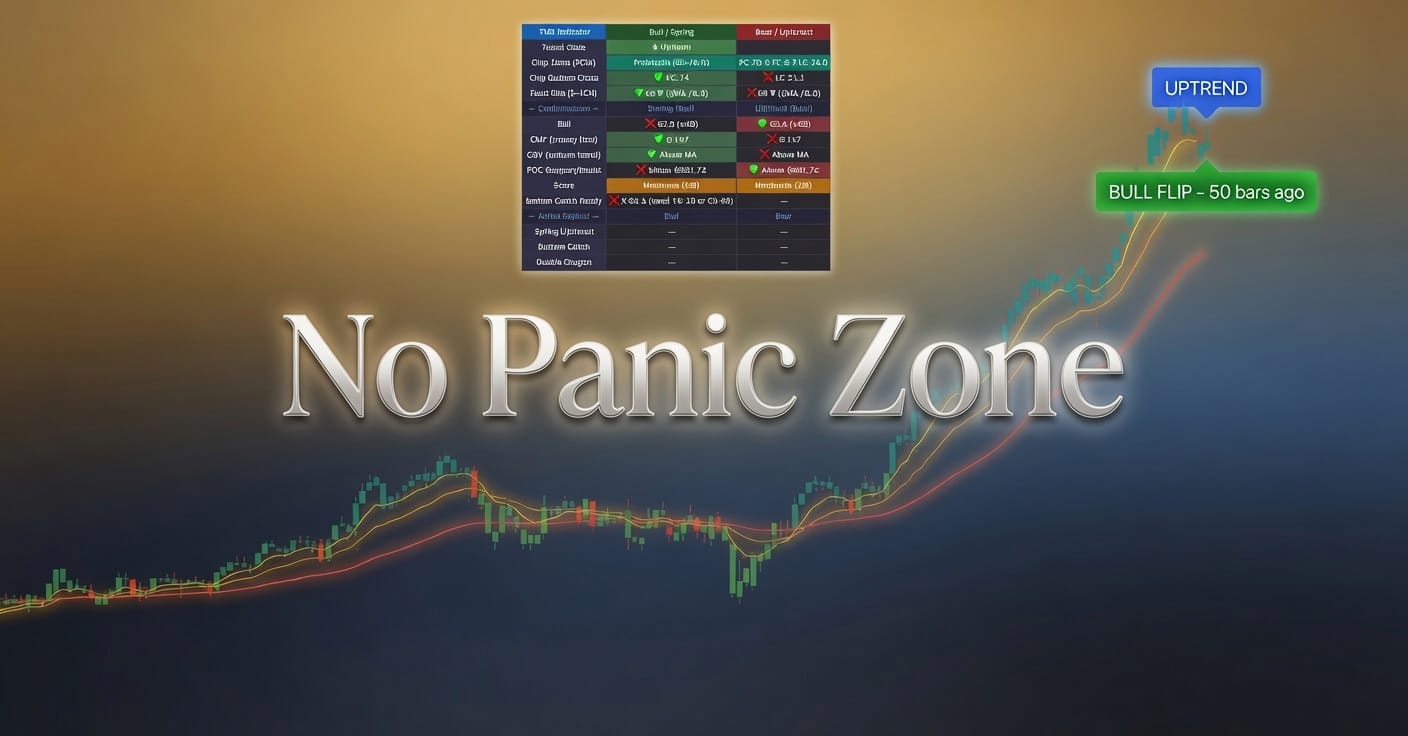
The technical picture shows oil in a rising channel with strong support at $78 and resistance at $85. None of this changes because Pakistan made a phone call. The 50-day moving average continues to slope upward. The RSI remains neutral. The news is a distraction from the only thing that matters, which is price.
Iran and the U.S. have been not-talking for forty-seven years. They have perfected not-talking. They have built entire foreign policy infrastructures around not-talking. Pakistan will not fix this with a summit suggestion and China's blessing.
But the headline moved oil 3%, so traders traded it, because traders trade headlines instead of charts, which is why traders lose money and blame geopolitics instead of themselves.
Photo by on Unsplash



Leave a Comment