

SpaceX jumped 20% in its first full day of trading. The company is now valued at over $2 trillion. That's trillion with a T, which stands for "the amount of money you will never see even if you live three consecutive lifetimes."
Retail traders watched the stock climb while holding their Robinhood accounts like participation trophies. They'd already missed the record debut the week before. Showed up late to the second day too. Bought at the top, naturally, because that's what they do. It's like a reflex. Pavlov's dogs salivated. Retail traders buy high.
The valuation makes SpaceX worth more than most countries. Not the good countries, but still. Someone ran the numbers and determined that a company that launches rockets is worth $2 trillion. They used models. Spreadsheets. Probably some Greek letters. The math checks out if you squint and ignore every assumption baked into the formula.
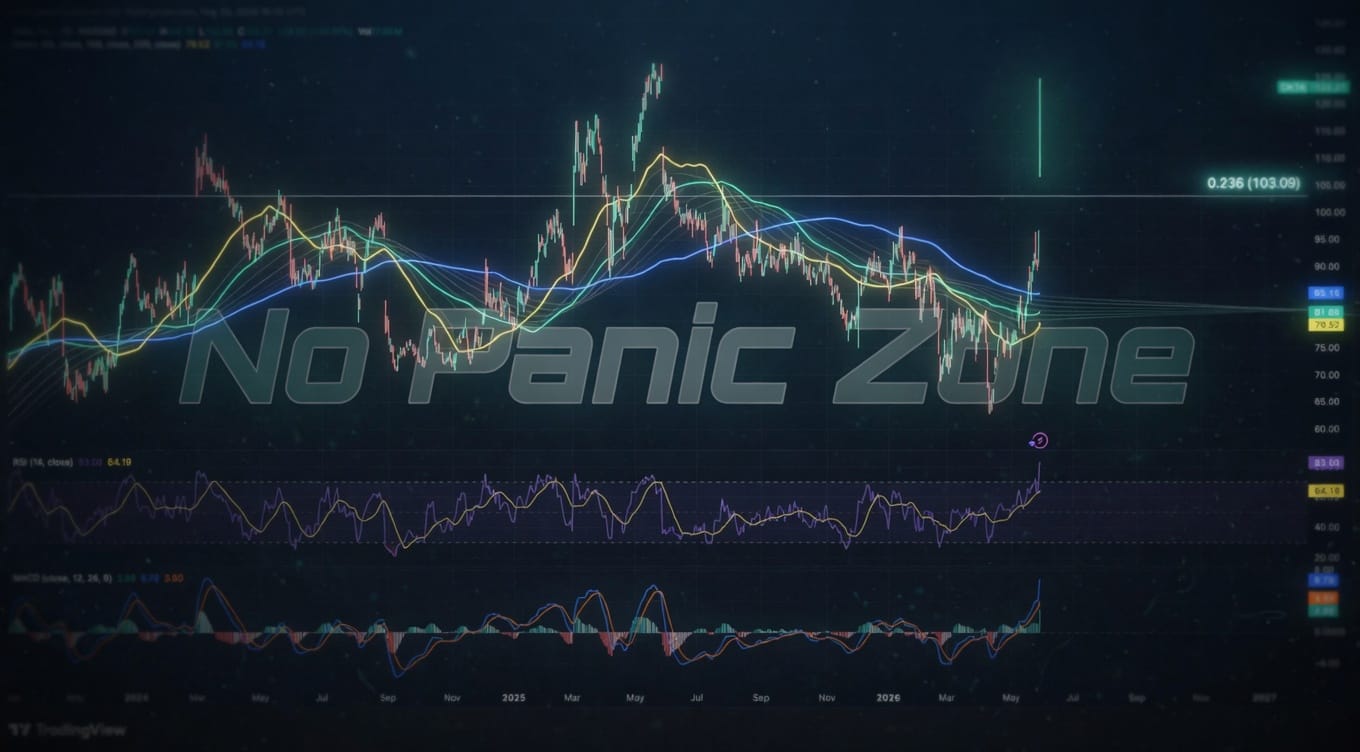
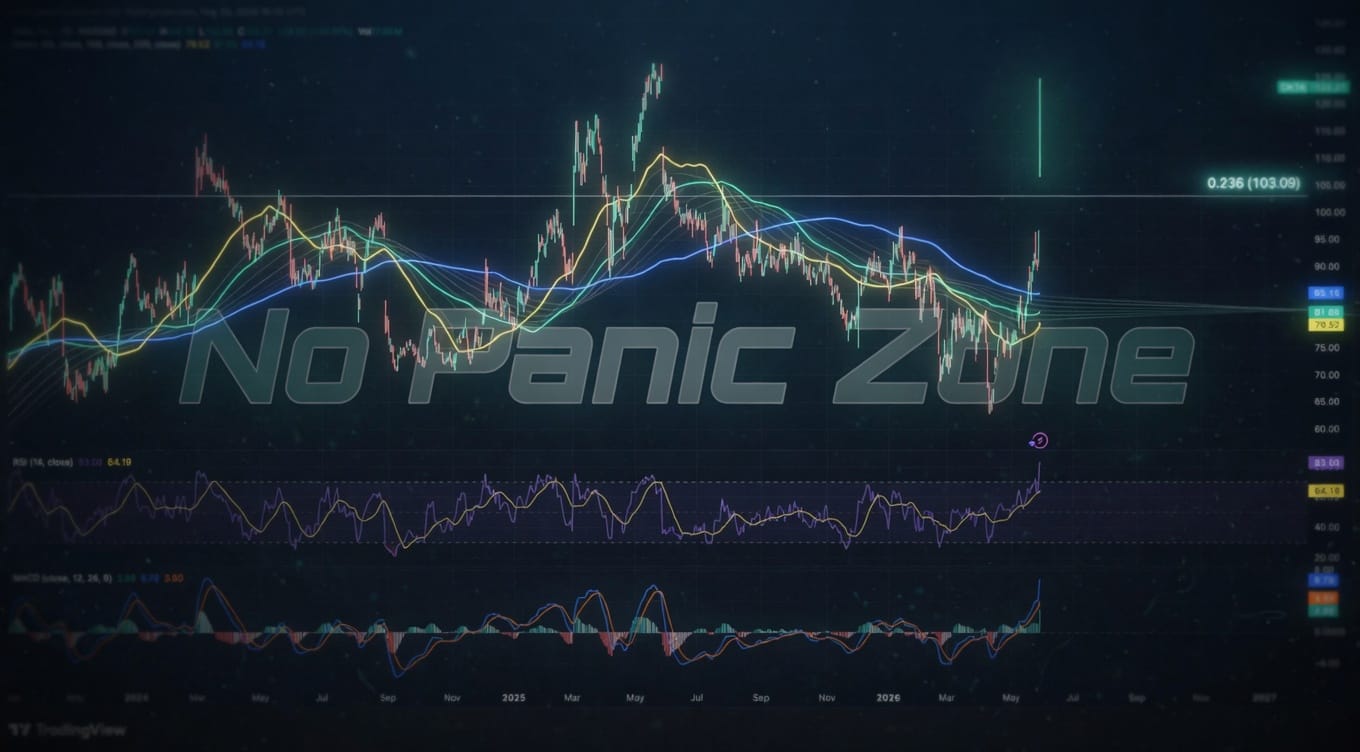
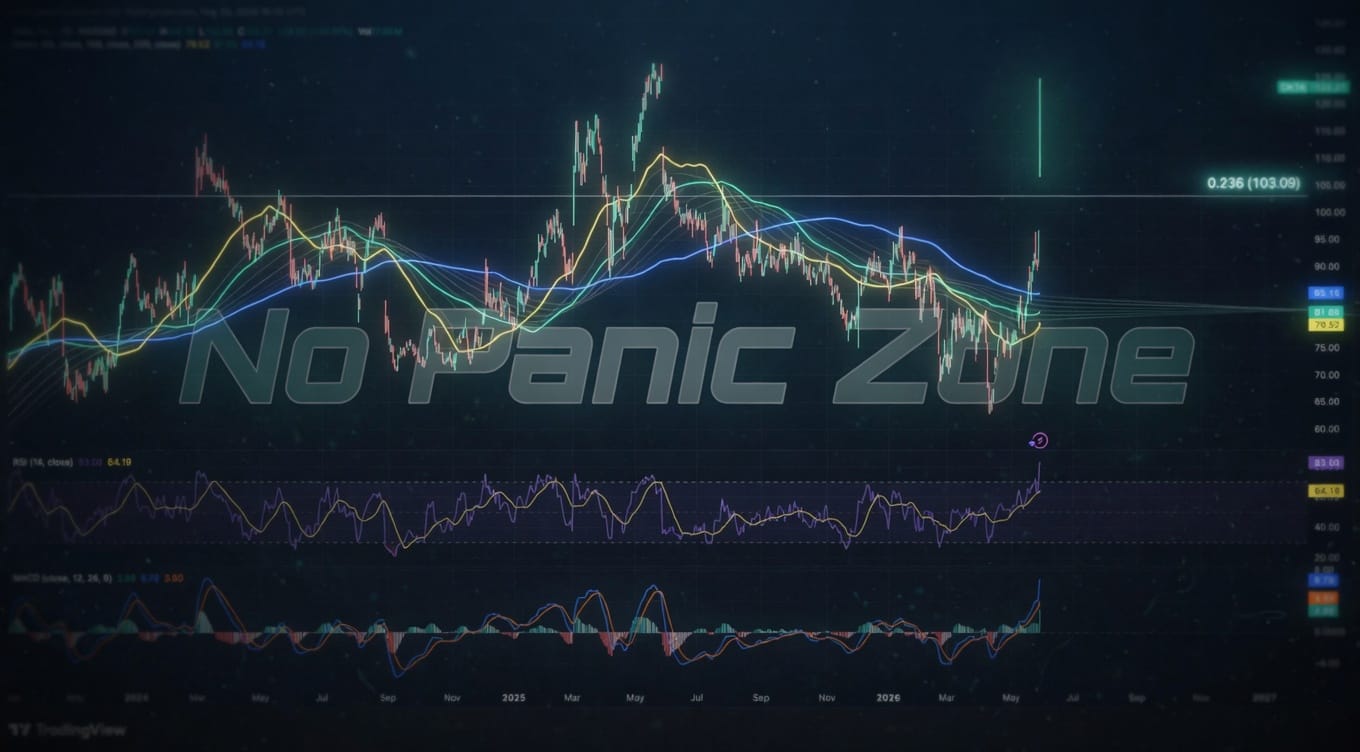
Technical analysts drew lines on the chart. Support at $0. Resistance at infinity. The trend is up, which means it's definitely going up, until it doesn't, at which point the trend will be down. This is called analysis because we use the word analysis.
Meanwhile SpaceX keeps building rockets. Elon Musk probably tweeted something. The stock moved. Correlation isn't causation except when it is, which is never, but the chart moved so someone made money and someone else didn't.
The people who bought shares at $2 trillion valuation will explain to you why it's actually cheap. They'll mention Mars. They'll mention Starlink. They'll mention innovation and disruption and first-mover advantage. They won't mention that they're holding a stock that costs more than the GDP of India because a line went up.
The stock closed higher. Everyone who bought it is a genius until next week.
Photo by on Unsplash




Leave a Comment