

Starbucks walked into Xinjiang. The coffee chain that convinced Americans to pay seven dollars for milk thought it could navigate Chinese regional politics better than it navigates a drive-thru line in Scottsdale.
The deal happened last year. Nobody cared. Then the partner started making choices. Beijing-friendly choices. Now Starbucks has a problem it can't solve with a seasonal latte.
Retail traders saw this headline and immediately checked their portfolio for exposure. They don't own Starbucks. They own three shares of a leveraged ETF that tracks consumer discretionary stocks that mention coffee in earnings calls. They're down 40% since Tuesday.
Here's what actually matters: none of this. Starbucks could open a location inside an active volcano and the stock would move based on whether Jerome Powell coughed during a speech. Geopolitical risk is just a phrase analysts use when they need to fill space between the words "macro headwinds" and "we maintain our price target."
The newsletter called it one of Asia's most closely watched deals. By whom? The seven people who subscribe to regional coffee franchising updates? The deals desk at Bloomberg who needed content for a slow Thursday?
Starbucks entered a region. The region has politics. The politics have sides. The partner picked a side. This is somehow news. This is somehow analysis. This is somehow worth a technical breakdown.
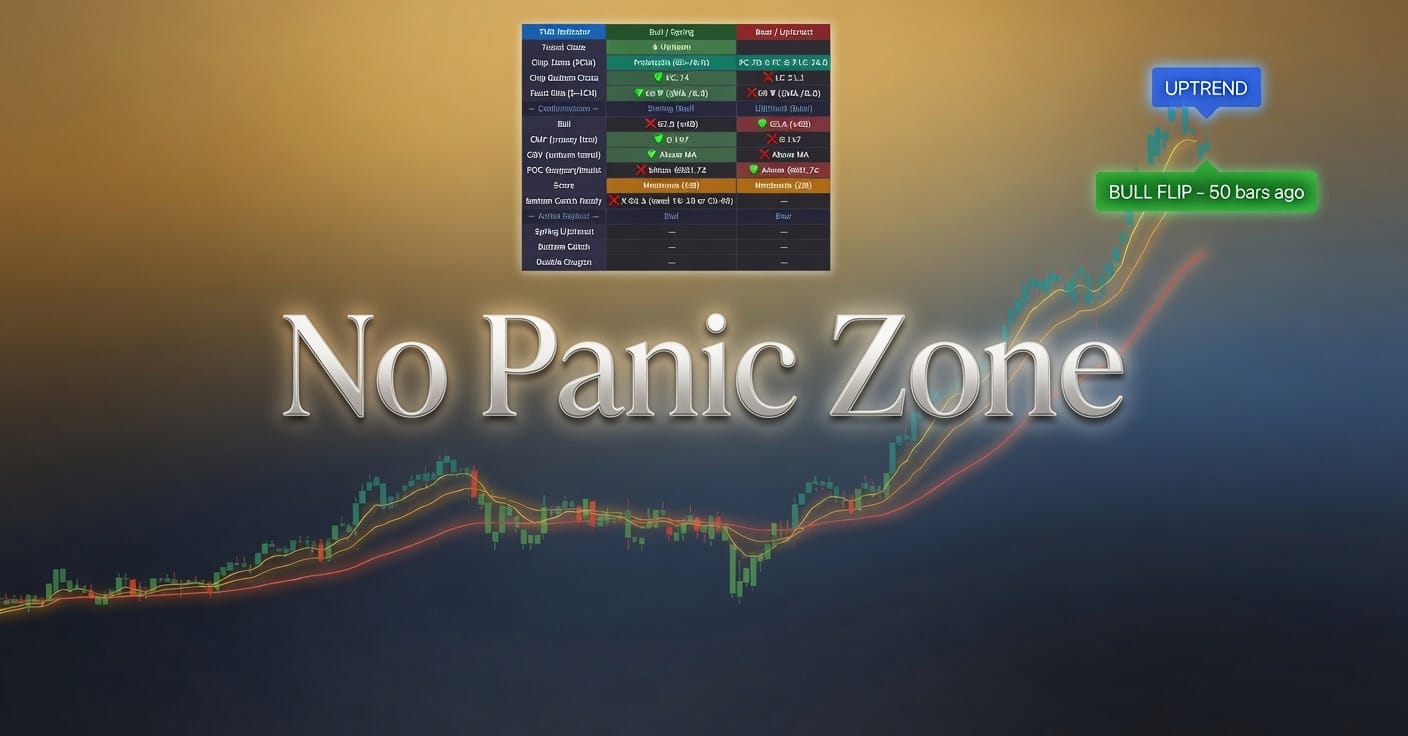
Chart says it doesn't matter. The 200-day moving average doesn't care about Xinjiang. The RSI isn't overbought on human rights concerns. Volume dried up because it's summer and nobody's trading, not because of calculated geopolitical risk.
But sure, let's pretend Starbucks stock moves on partnership decisions in Central Asia and not on whether the Fed cuts rates by 25 or 50 basis points. Let's pretend retail knows where Xinjiang is on a map before they panic-sell at a loss.
Photo by on Unsplash





Leave a Comment