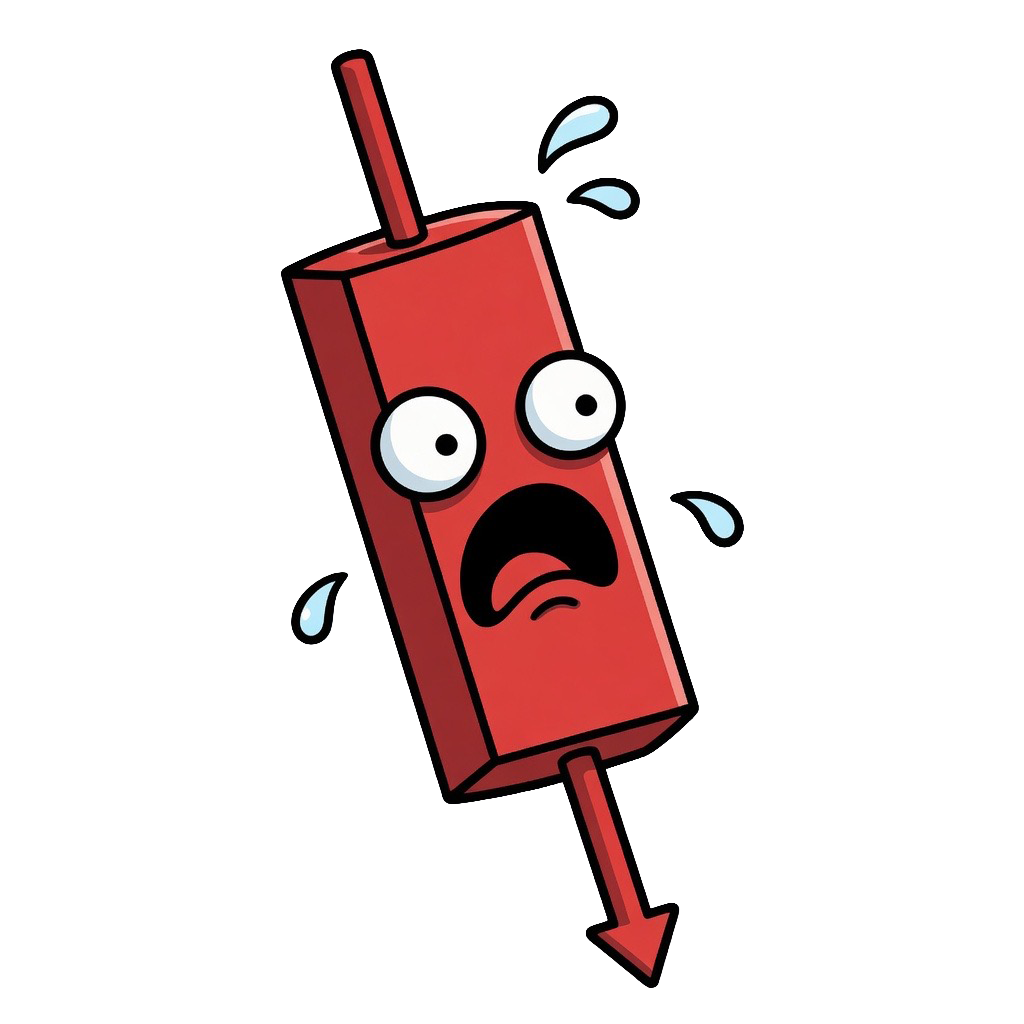

Vertiv's stock dropped 17% because the company missed revenue expectations. CEO Gio Albertazzi explained this happened due to project timing and supply chain problems. Not demand issues. Temporary issues.
Temporary is doing a lot of work in that sentence. The stock doesn't care about temporary. The stock cares about numbers on a screen going up or down right now. Your shares fell 17% in real dollars while the CEO used the word temporary like it's a magic spell that reverses losses.
Project timing means customers didn't buy things when Vertiv expected them to buy things. Supply chain issues means Vertiv couldn't deliver things when customers expected to receive things. Both problems sound temporary until they aren't. Then they're called a trend.
Retail traders heard "temporary" and immediately started calculating their cost basis. They bought Vertiv because data centers need cooling equipment and AI needs data centers. Solid thesis. Airtight logic. Then the company missed revenue targets and the thesis discovered gravity.
Albertazzi wants investors to focus on future quarters when the temporary issues resolve themselves. He needs everyone to ignore this quarter where actual money was actually lost. The technical setup doesn't care about his timeline. The chart shows a 17% gap down. That gap will either fill or it won't. The CEO's explanation is nowhere on the chart.
Supply chain problems are temporary until the next earnings call when they're still temporary but with a different excuse attached. Project timing issues are temporary until projects get cancelled entirely. Demand weakness is never the problem until every other excuse stops working.
The stock closed down 17% on temporary issues that will definitely resolve themselves right after you sell at a loss.
Photo by on Unsplash







Leave a Comment