

The headline warns investors that defensive stocks might be overvalued. This counts as financial journalism in 2026. Someone got paid to write that popular things cost more than unpopular things.
Defensive stocks attract money when people get scared. Scared people bid up prices. Prices go up until the defense costs more than the risk. This cycle has repeated for a century. Retail traders discover it fresh every time like they just invented fire.
The article suggests looking elsewhere for value. Tremendous advice. Look somewhere else. Why didn't anyone think of that? Next they'll recommend buying low and selling high. Revolutionary stuff.
Here's what actually happens. Tommy from Reddit sees the S&P down three percent. He panics. He googles defensive stocks. He finds a utilities ETF trading at a thirty-two P/E. He buys it at the top. Six months later the market recovers. His defensive position lags by eighteen percent. He posts about market manipulation.
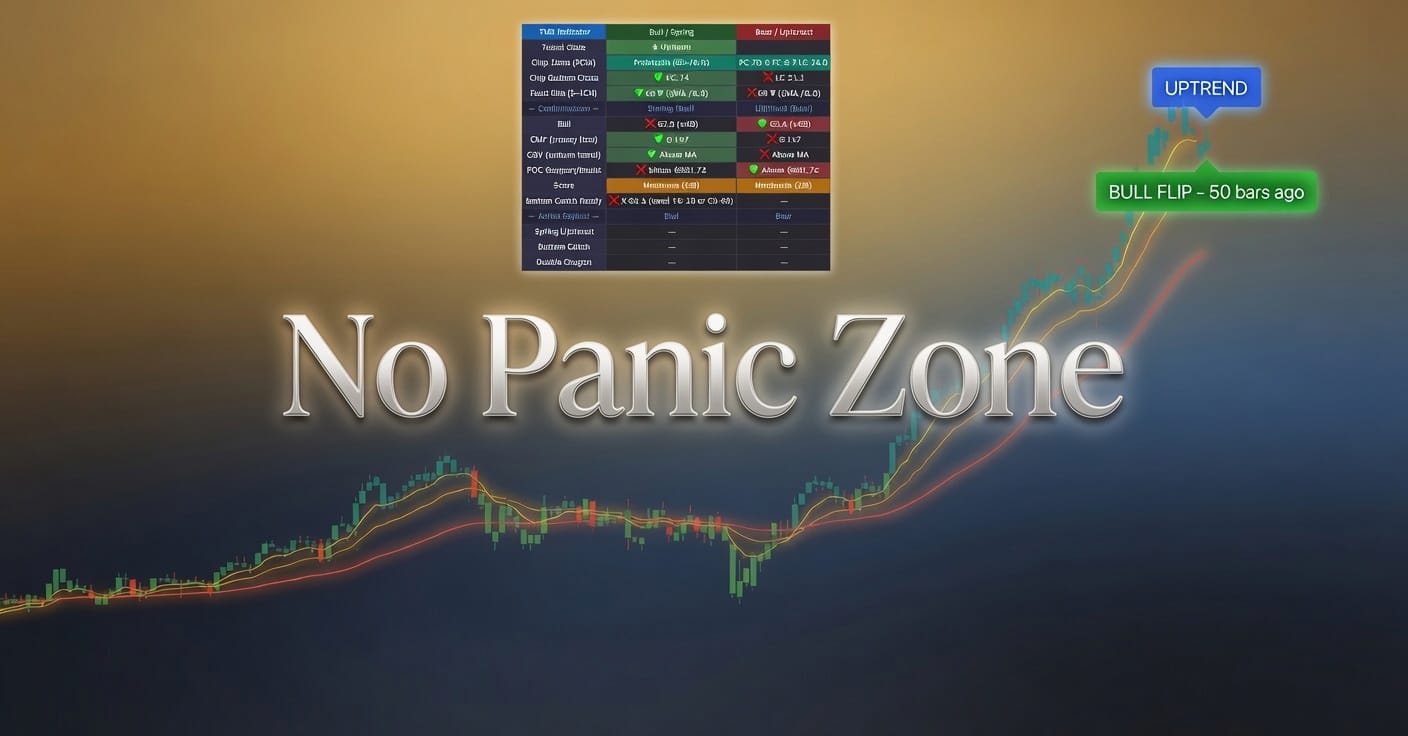
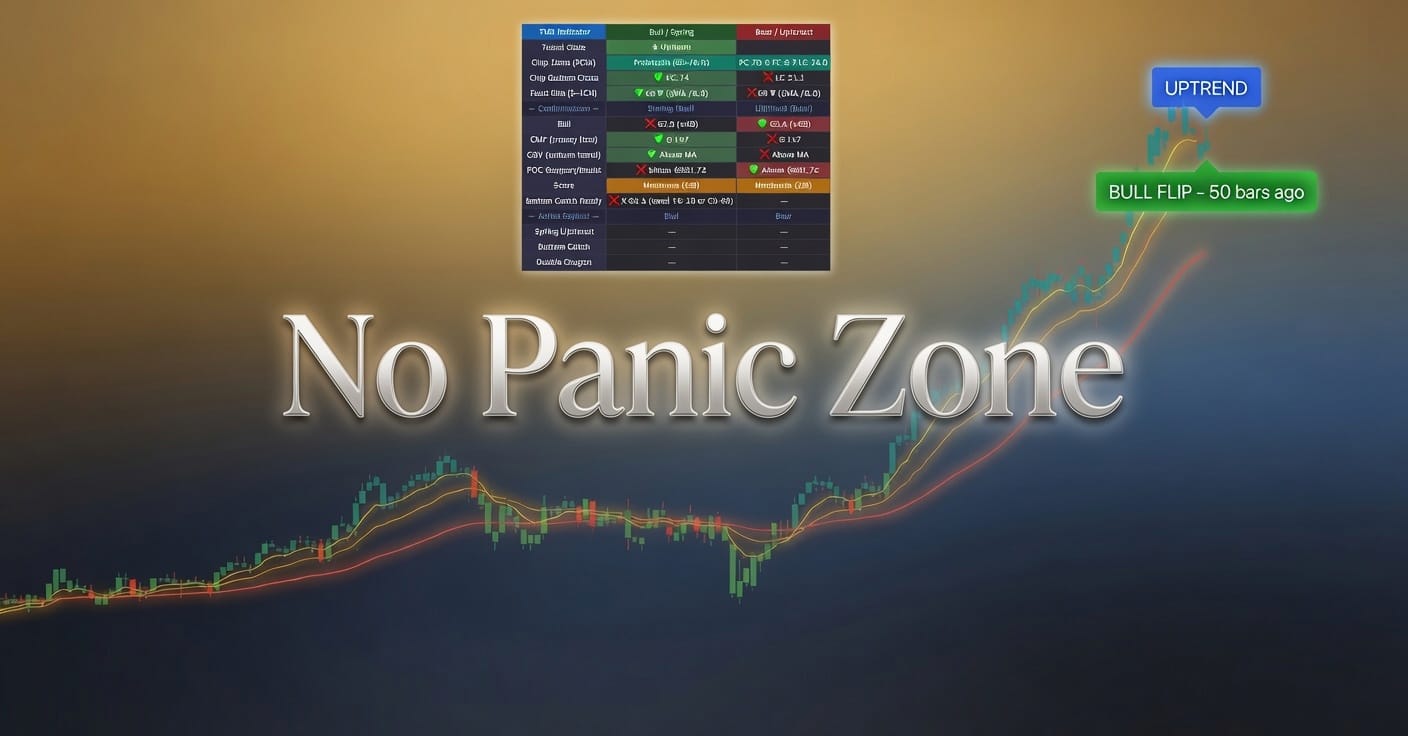
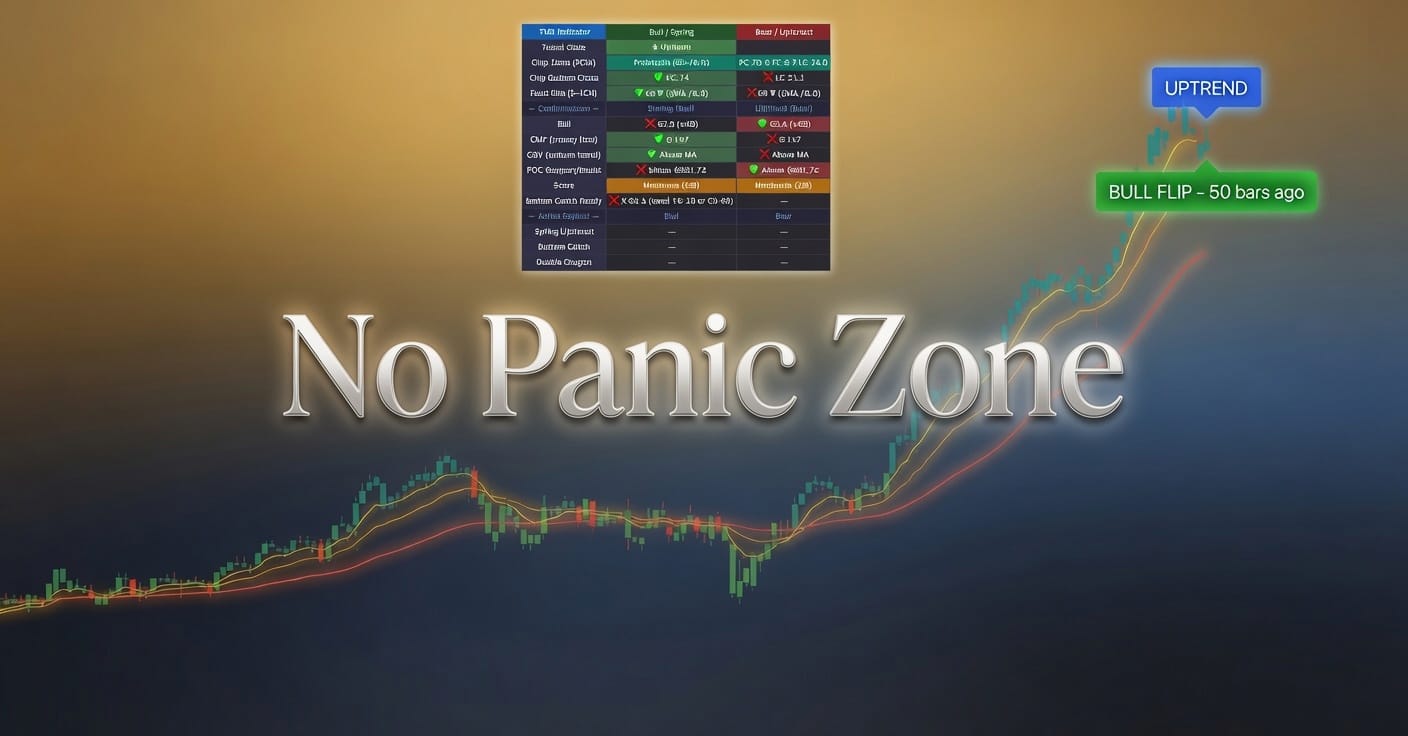
The valuation test mentioned in the headline isn't a test. It's just math. You either pay twenty-eight times earnings for boring predictable cash flow or you don't. The chart doesn't care about your feelings. Support and resistance don't read headlines about defensive appeal.
Best-of-breed companies become pricey because amateurs confuse quality with value. They're not the same thing. A f*cking excellent company at a sh*t price is still a sh*t trade. But that requires thinking instead of feeling safe.
The real defensive strategy is having a plan before you need one. That would require discipline. Much easier to chase safety after the damage is done and complain about valuations later.
Photo by Tech Daily on Unsplash





Leave a Comment