

Anna Paulson said she might raise rates. Then again she might not. This counts as news because someone wrote it down and sent it to Bloomberg.
The Philadelphia Fed policymaker used the word "modest" to describe future rate moves. Modest means small. Small means not big. Not big means you can ignore it. But you won't ignore it because you're refreshing your Robinhood account right now wondering why your leveraged ETF position just moved three percent on a nothing quote from a regional Fed bank.
Paulson said inflation needs to come back to target. Every central banker has said this exact sentence for two years straight. The target is two percent. Inflation is not two percent. The gap between those numbers is why Anna Paulson has a job and you're reading headlines about her having that job instead of doing actual research.
She mentioned her colleagues might need to raise rates further. Might. Further. Two words that mean absolutely nothing when placed next to each other in a sentence about monetary policy. This is the equivalent of your doctor saying your cholesterol might need to go lower at some point depending on things we'll figure out later.
Retail traders will now spend forty-five minutes parsing whether "modest" means 25 basis points or 50 basis points. They'll build entire thesis documents around a single adjective. They'll argue in Discord channels about what Anna Paulson really meant when she said a word that has one definition in the dictionary.
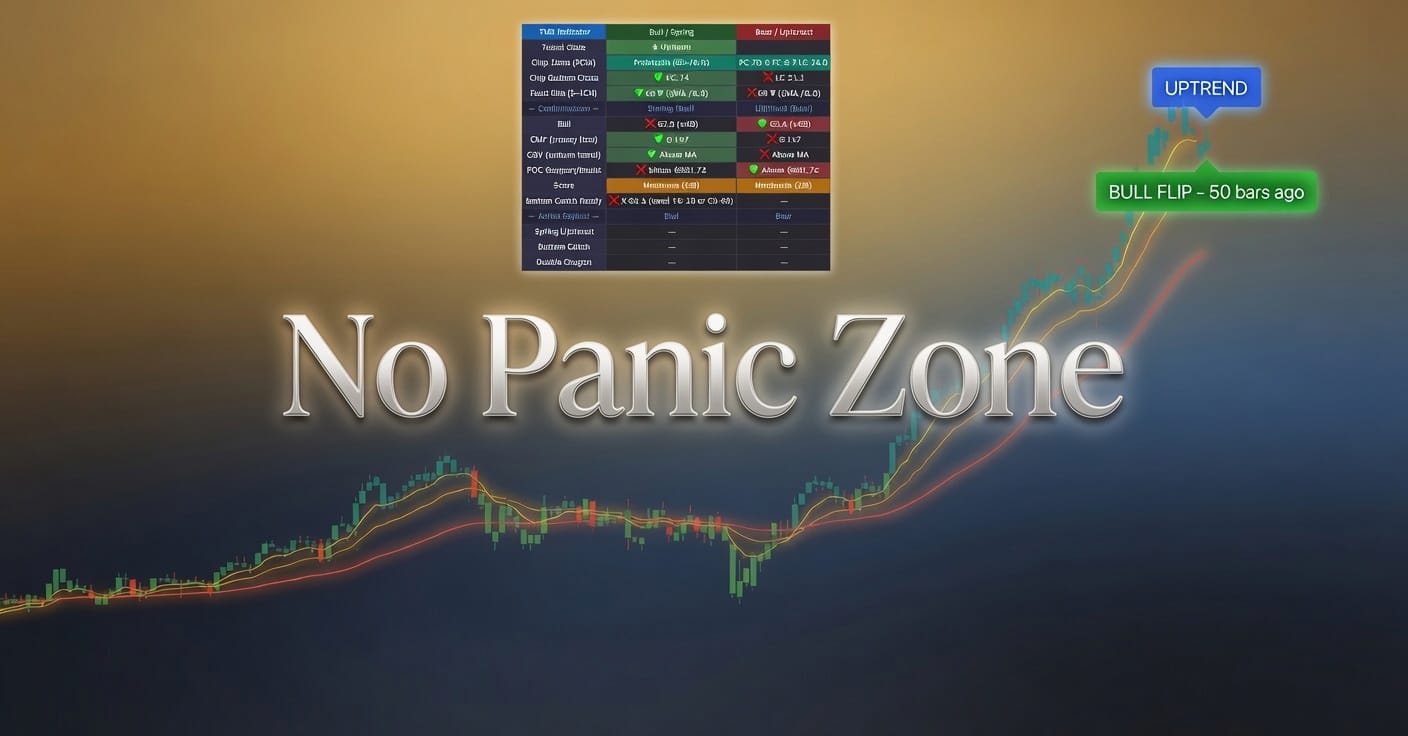
The charts don't care what Anna Paulson says. Price action doesn't pause to consider the nuanced linguistic choices of Philadelphia Fed officials. Support and resistance levels weren't drawn by someone who reads Fed speeches.
But sure, let's all pretend this headline matters because the alternative is admitting you're gambling on lines you don't understand.
Photo by Katherine McAdoo on Unsplash




Leave a Comment