

Investors navigated everything from escalating tensions in the Middle East to key tech earnings reports to healthcare developments. That's three things. The headline promised four forces. Someone at the news desk can't count or needed to justify the word "everything" by padding the list with a fourth item nobody will remember.
The Middle East has tensions. Stocks went down. The Middle East calms down for six minutes. Stocks went up. This pattern has repeated every week since 1973 but retail traders still check the news like it's a crystal ball. They read "escalating tensions" and panic-sell their three shares of an ETF they can't pronounce.
Tech earnings came out. Some companies beat expectations. Others missed. The stocks that missed went down. The stocks that beat also went down because the beat wasn't big enough or the guidance looked soft or Mercury was in retrograde. None of this information helps you predict tomorrow's price. Jim from accounting still thinks reading the earnings report makes him Warren Buffett.
Healthcare developments happened. Which ones? Doesn't matter. The word "developments" is what writers use when they need a fourth item but don't want to commit to specifics. A drug got approved or a drug got rejected or a CEO said something vague about pipelines. The stock moved. It would have moved anyway.
Here's what actually drove the week: sellers sold more than buyers bought. That's one force. The other three are imaginary. You could replace this headline with "Four Reasons We Need Content on a Slow News Day" and the accuracy rate would double.
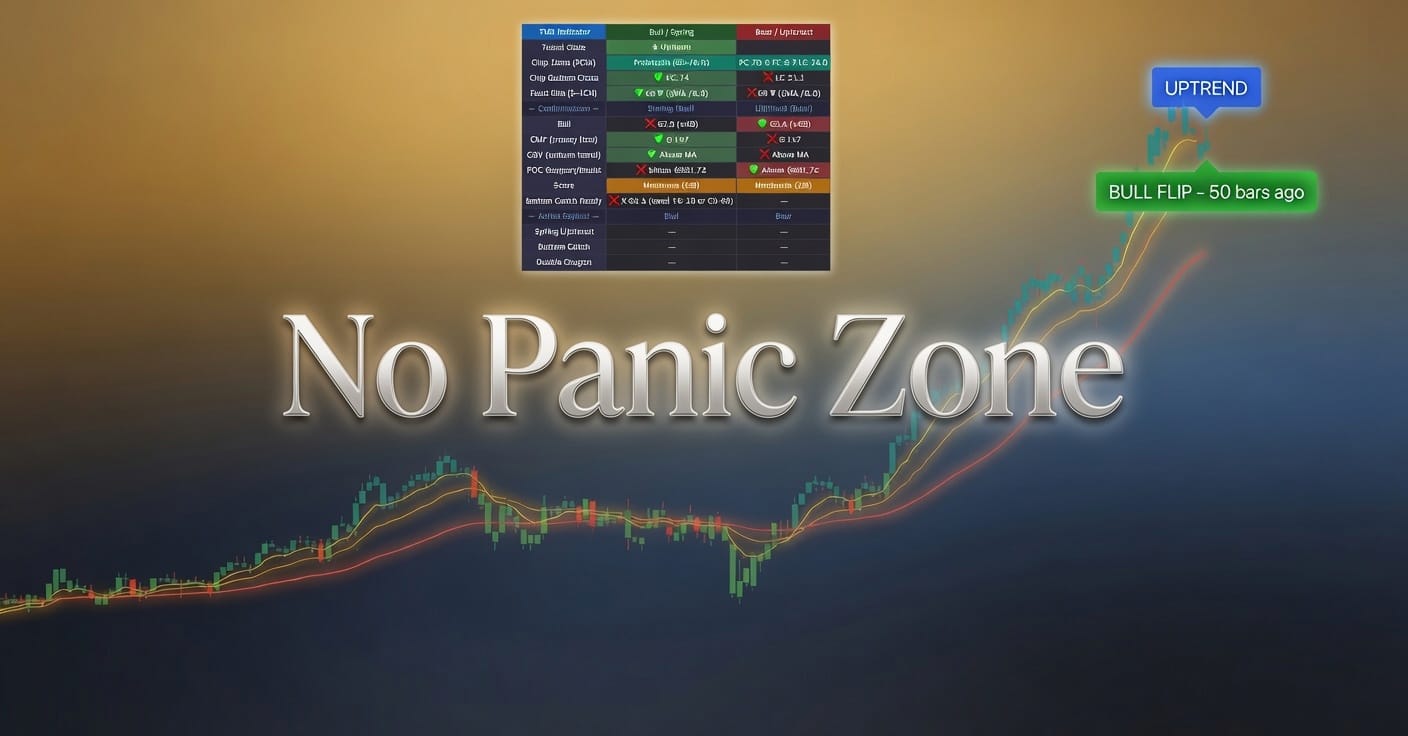
Traders will read this list, nod solemnly, and adjust their portfolios based on geopolitical analysis they learned from a 200-word summary written by someone who Googled "Middle East" twenty minutes before deadline. The chart doesn't care about your four forces.
Photo by Brett Jordan on Unsplash




Leave a Comment