

S&P 500 futures sit perfectly flat. Investors call this "anticipation." The correct term is paralysis.
Big banks report earnings this week. JPMorgan will announce they made money. Bank of America will announce they also made money. Citigroup will announce they made slightly less money than expected, which means they only made an obscene amount instead of a grotesque amount. The stock will drop four percent. Retail traders will convince themselves this creates an "opportunity."
Inflation data drops midweek. The number will be either 0.1% higher or 0.1% lower than consensus. CNBC will dedicate sixteen hours of programming to explaining why this changes everything. It changes nothing. Your technical levels don't care if a gallon of milk costs $4.20 or $4.32.
Futures traders spent Sunday night staring at a number that moved less than a basis point in either direction. They refreshed their screens four thousand times. They texted their group chats about "positioning ahead of the print." They are prepared for maximum volatility in a market showing zero intention of providing any.
The banks already know what their earnings are. They've known for weeks. The analysts covering them have estimates within 2% of the actual number. The institutional money has been positioned since last Tuesday. But retail needs the "catalyst." Retail needs the "event." Retail needs to feel like they're trading the news instead of donating to theta.
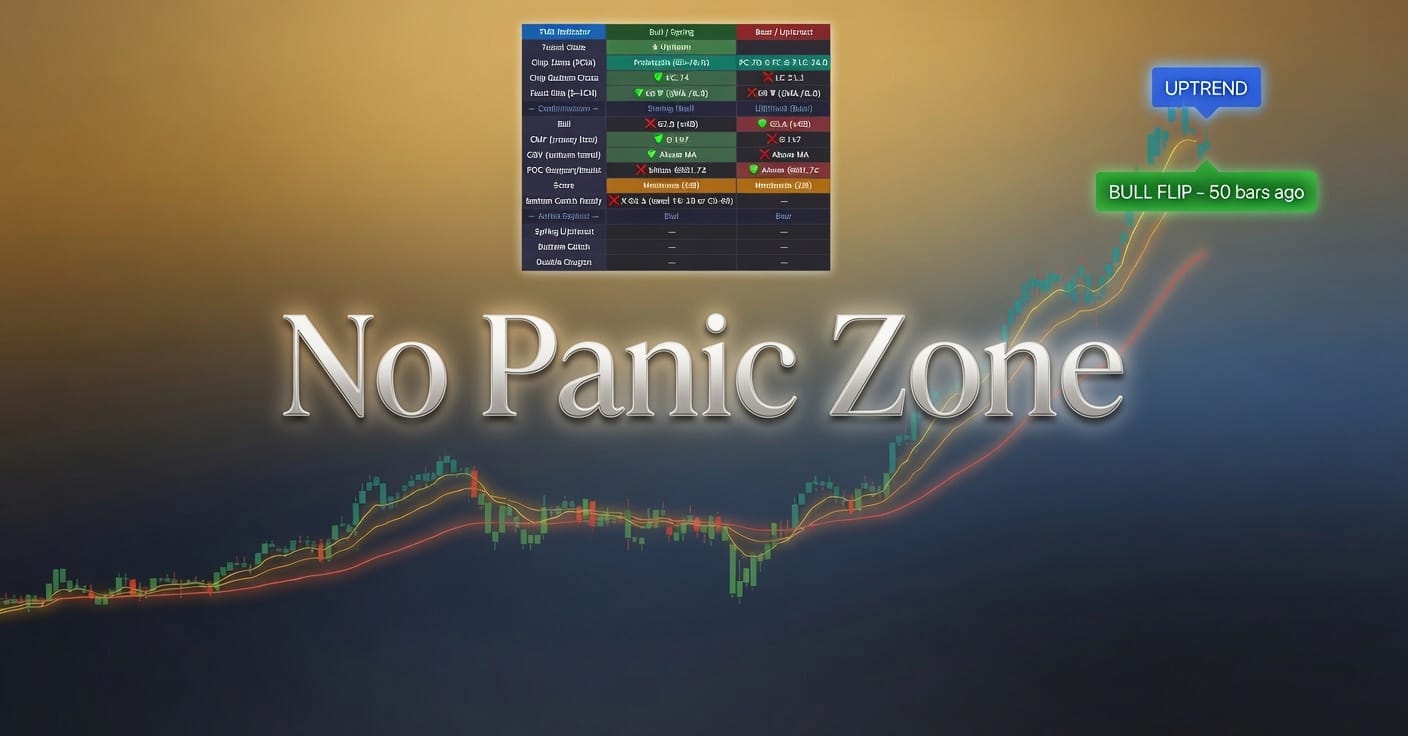
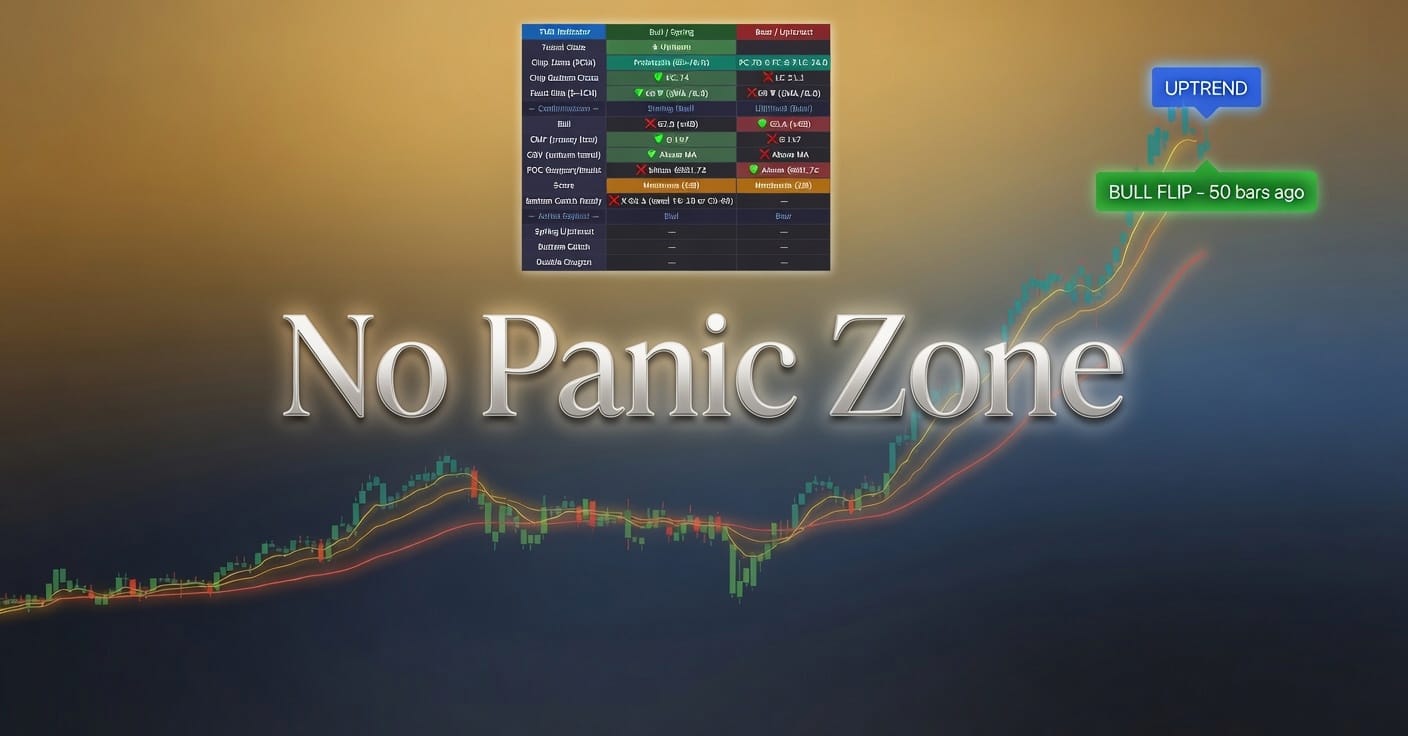
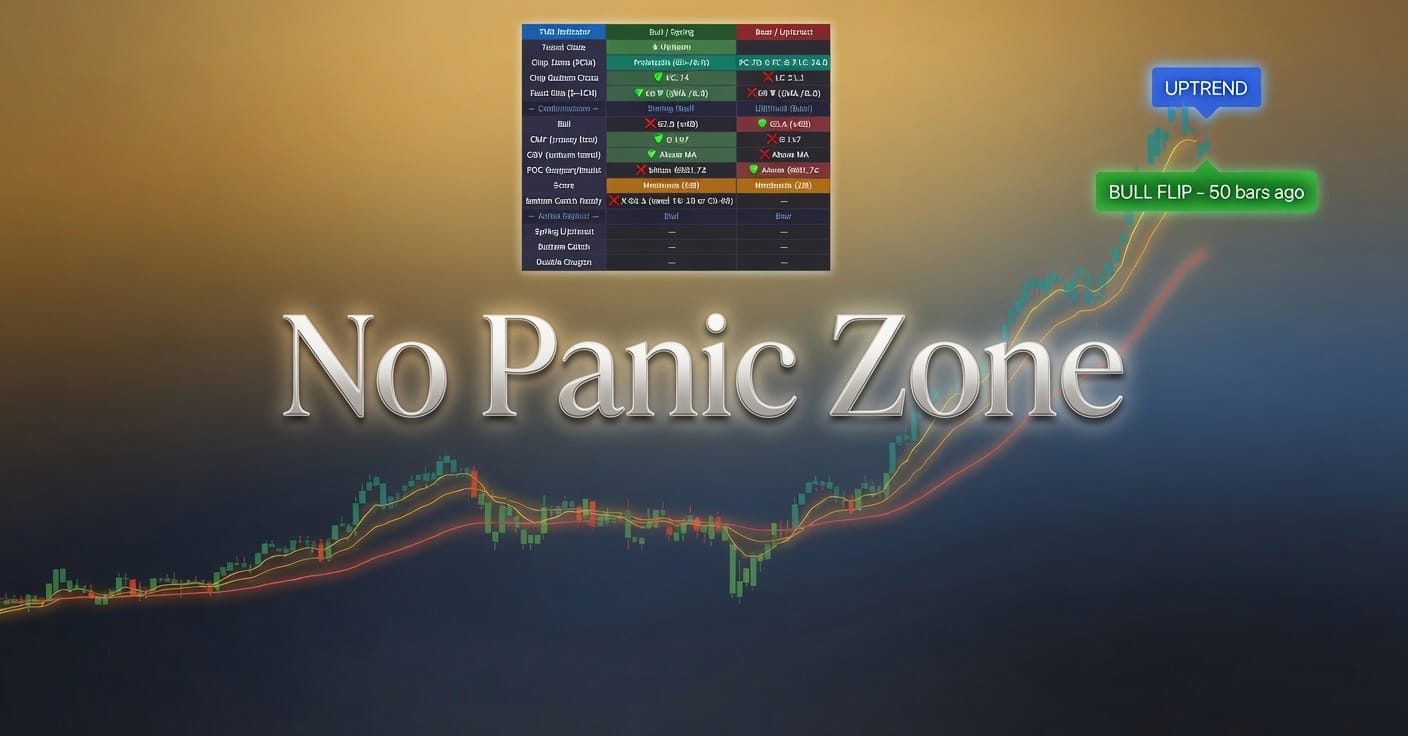
Futures are little changed because nothing has changed. The market doesn't move on information everyone already has. It moves on technical levels nobody bothers to learn. Support at 5,825. Resistance at 5,890. The rest is theater for people who think reading headlines counts as research.
The banks will beat. The market will gap up forty points and fill by noon. Your calls will expire worthless because you bought them Friday and they're already priced for exactly this outcome.
Photo by Olha Ivanova on Unsplash




Leave a Comment