

Companies promised AI gains. Now they report AI gains. Everyone involved grades their own homework.
Santander says AI is helping. Novartis says AI is helping. Other companies, unnamed and unbothered, say the same. Nobody asked for receipts. Everybody clapped.
Consider the timeline. First, executives spend billions on a technology they can't fully explain. Then they hold an earnings call to explain what it did. The explanation is always the same. Costs went down, or revenue went up, or profitability improved. Pick one. Possibly all three. Probably none, but the slide deck looks great.
Investors wanted returns. Investors got adjectives.
Here is how a Santander earnings call works. A banker says "efficiency" eleven times. A chatbot somewhere takes credit for a spreadsheet. Analysts nod like dashboard bobbleheads. Then the stock moves two percent in a direction that has nothing to do with any of it.
Novartis is a drugmaker. Drugs take a decade to develop. AI can speed up parts of that. Parts. The word "parts" is doing the heavy lifting of a man helping you move a couch.
You, the retail trader, read this headline and felt hope. You pictured a chart going up and to the right. You pictured yourself explaining to your landlord that you are "early." Your landlord does not accept "early." Your landlord accepts Venmo.
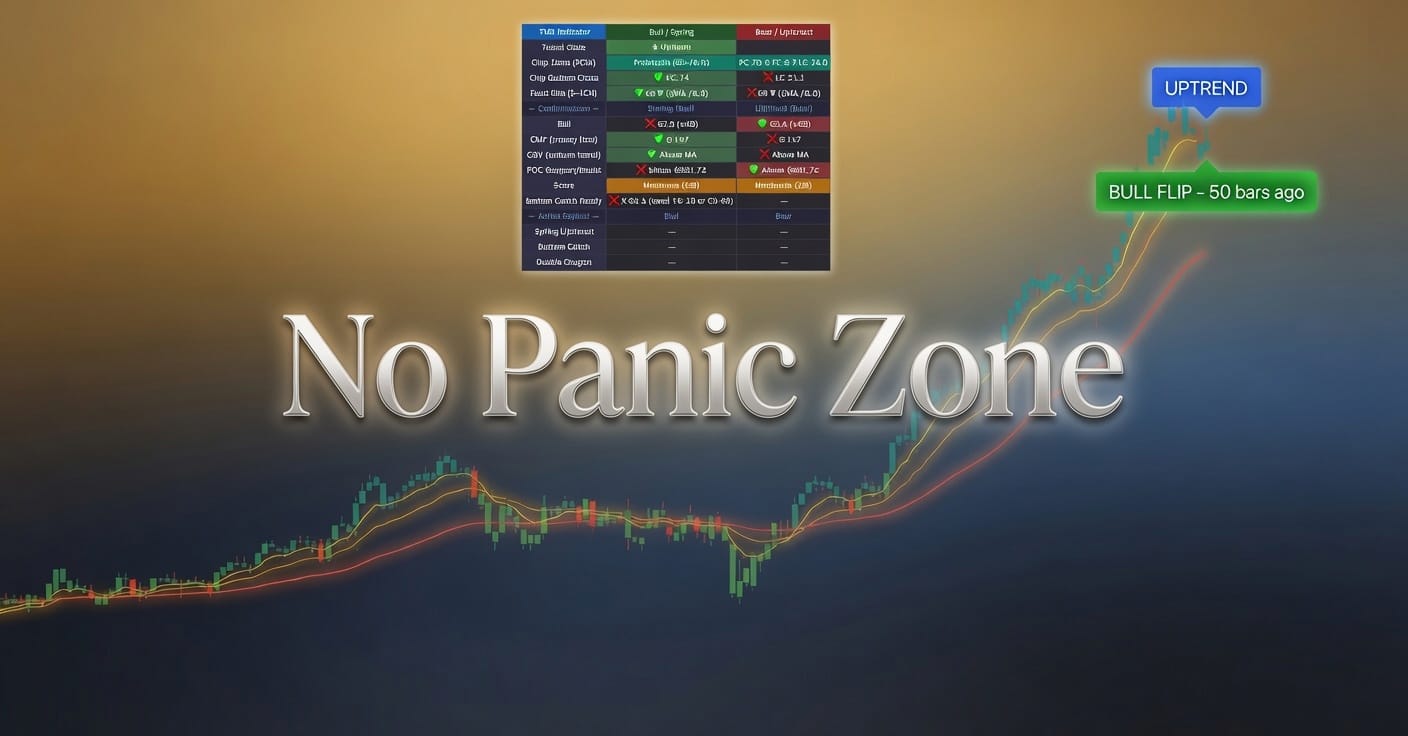
The chart doesn't care about Santander's chatbot. The chart doesn't care about you. The chart is a line. You are a person who stares at lines and calls it research.
AI is finally paying off, according to the people who sold it, bought it and profited from saying so. Buy the rumor, sell the news, and pray your broker's AI doesn't read your account balance out loud.
Photo by Tech Daily on Unsplash





Leave a Comment