

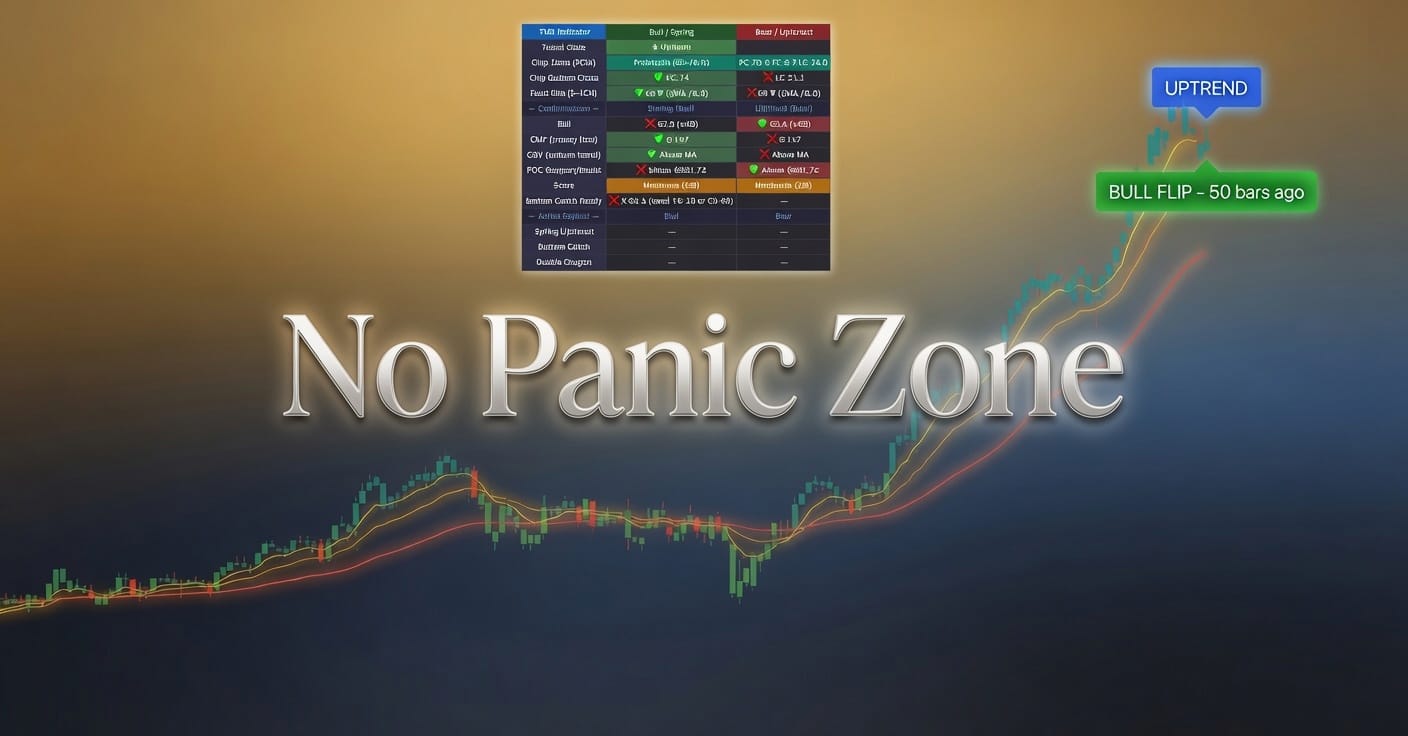
Todd Gordon looks through the charts. Not at earnings. Not at supply chains. Not at whether anyone needs more DRAM. He looks through the charts on the DRAM ETF as well as the broader tech sector.
This is what passes for analysis now. A man squinting at summer highs like they contain prophecy. The memory stocks are pressing their summer highs, which tells you everything except why you should care. Pressing sounds active. Sounds like the stocks are doing something. They are not doing something. They are being traded by algorithms that cannot feel shame.
The DRAM ETF exists because someone decided memory chips needed their own fund. Not the companies that make them. Not the sector that uses them. The chips themselves. Packaged into a ticker so retail traders can buy exposure to something they will never understand while Todd Gordon draws triangles on a screen.
Where the charts show them going. That is the promise. The charts will show you. They will reveal the future through resistance levels and moving averages and whatever shape Todd decided looks bullish today. The charts showed Lehman Brothers going higher in July 2008. The charts showed Deutsche Bank at ten dollars as a buying opportunity. The charts show lots of things. Most of them are lies told by prior idiots.
Summer highs means the stocks went up when everyone was on vacation and volume was garbage. Now they are pressing those highs, which means they have not broken through, which means Todd needs content, which means you get a segment about whether imaginary lines on a graph will hold.
The broader tech sector gets mentioned because Todd ran out of things to say about memory chips after forty seconds. He needed to pad. He needed to gesture vaguely at context. He did not provide context. He provided more lines.
The DRAM ETF is down sixty percent from its actual highs but sure, let's get excited about summer.
Photo by Maxim Hopman on Unsplash





Leave a Comment