Twenty-two super PACs formed late, spent about $637 million, and sometimes finished spending before voters could see who wrote the checks.
That is not a campaign. That is a magic trick where the rabbit is a billionaire and the hat is a Delaware filing.
Call it a pop-up. Like a pop-up restaurant. Except the menu is a 30-second ad about your congressman's secret love of tariffs, and the chef is legally allowed to stay anonymous until the check clears.
The timing is the genius part. Donors file the paperwork after the election is basically over. Voters get the receipt once the meal is digested. Transparency arrives like a birthday card from your uncle: late, awkward, and addressed to the wrong person.
Here is the number again. $637 million. Divide it by twenty-two and each PAC averaged roughly $29 million. For organizations that, in some cases, had existed for less time than a sourdough starter.
Retail traders, I know what you are thinking. You are thinking this is a signal. You are thinking you can trade the midterms. You have a Discord channel called "Gerrymander Gains" and a spreadsheet with seven tabs and no formulas.
You cannot trade this. The people moving this money have lawyers, accountants, and a strong preference that you never learn their names. You have a margin call and a podcast subscription.
Meanwhile, you spent forty minutes this week deciding between two brands of oat milk. They spent $637 million deciding who writes the laws about oat milk.
The disclosure rules do exist. They just show up fashionably late, like a guest at a funeral who brings a casserole for the wrong family.
Somewhere, a donor is watching his candidate win and smiling. You will find out his name in a quarterly filing, which you will not read, because you are busy buying a call option on a company that makes fax machines.
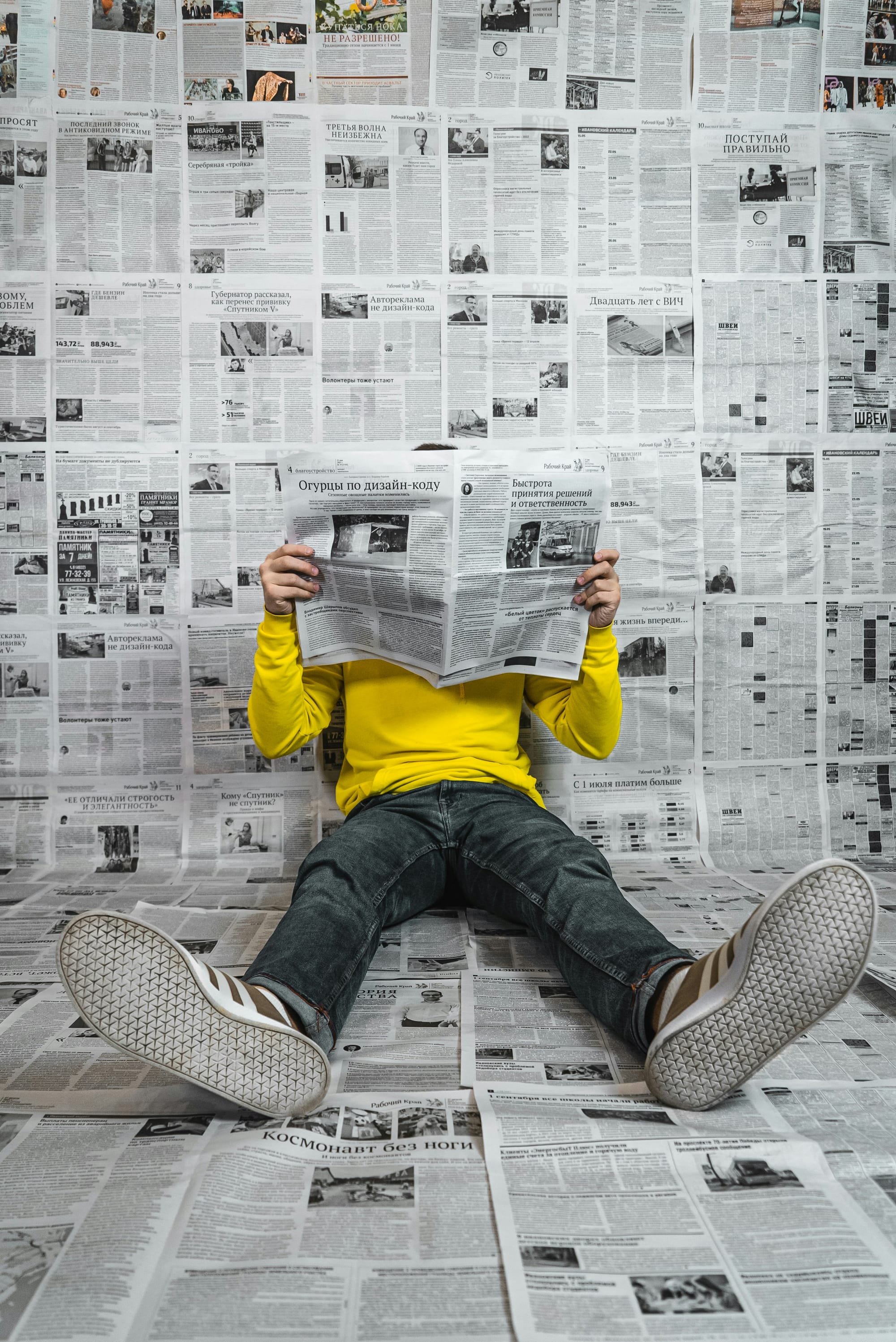
Photo by on Unsplash





Leave a Comment