Putin's facing an election where the main suspense is whether Russians show up to pretend they care. United Russia will win. That's not analysis. That's geography. The question is whether enough people bother voting to make the rigging look plausible.
The economy's tanking. Russians feel the pain. Analysts think low turnout might signal discontent. Brilliant insight. People unhappy with government might not enthusiastically participate in theatrical democracy. Someone get McKinsey on the phone.
Voter turnout as a proxy for regime stability. Margin of victory as tea leaves for public sentiment. We're reading election results like technical indicators now. Draw a fibonacci retracement on Putin's approval rating. Check if dissent breaks through the 50-day moving average of state-sponsored fear.
The setup is perfect for retail political observers. They'll watch turnout numbers. They'll parse margin spreads. They'll convince themselves they're seeing cracks in the foundation. Then United Russia wins by whatever percentage was determined six months ago in a windowless room, and those same observers will write long threads about what it all means.
Russia's economy is struggling. Citizens are struggling. The election happens anyway. Autocracy doesn't pause for bear markets. It just makes the bear markets mandatory.
Somewhere a think tank fellow is building a spreadsheet correlating GDP contraction with ballot box legitimacy. He's convinced he's found the inflection point where economic pain translates to political risk. He'll publish his findings. Putin will win by 76 points. The fellow will add a footnote about electoral irregularities and call it prescient.
The stress test isn't whether Putin can win an election he already won. It's whether Russians care enough to show up and lie to themselves about it.
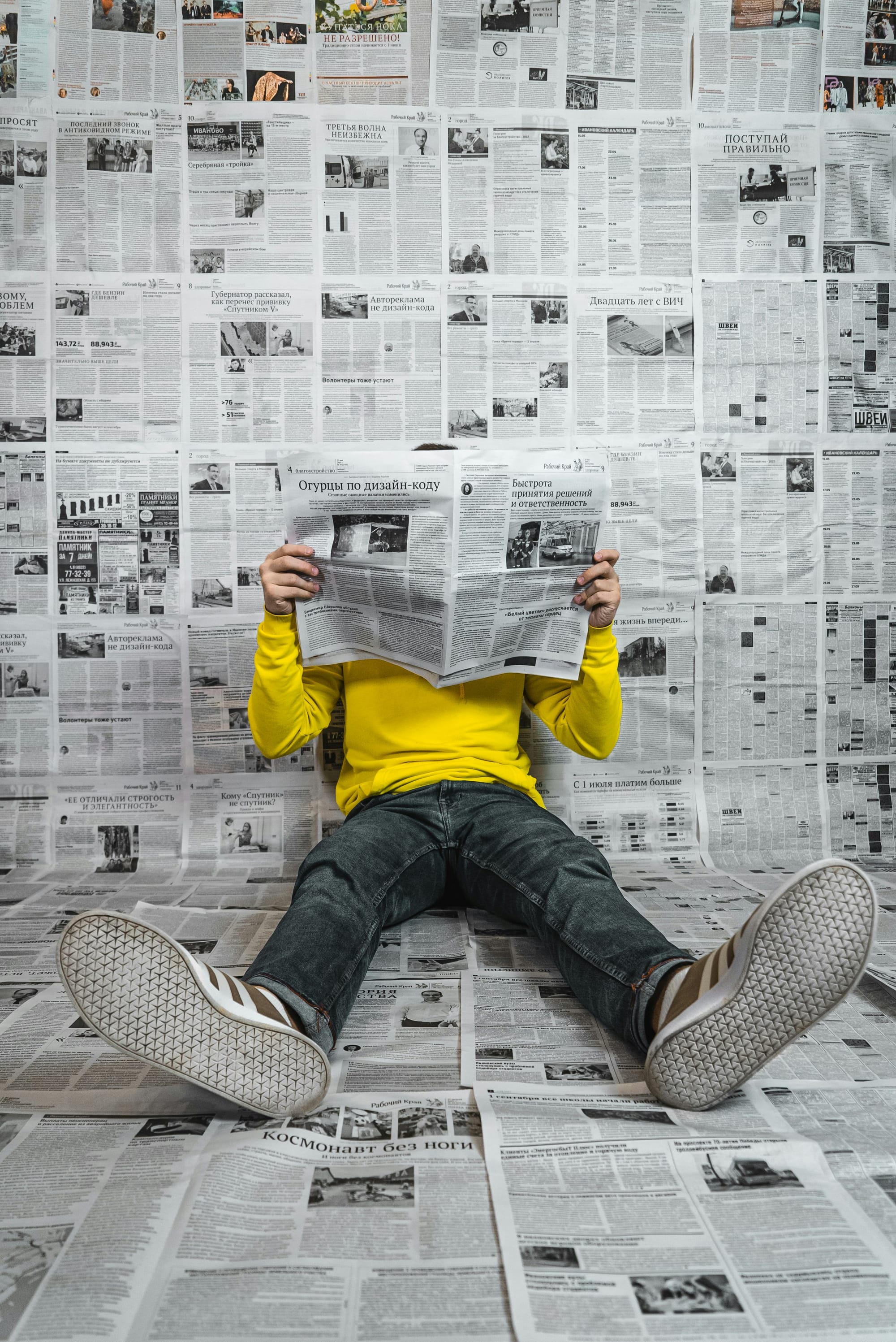
Photo by on Unsplash




Leave a Comment