

EverBank agreed to acquire WaFd Bank in a reverse merger worth $3.9 billion. The phrase "reverse merger" means the smaller company's management takes over. WaFd operates in the Pacific Northwest. EverBank is bigger. The smaller bank wins.
Picture the EverBank board meeting. Eighteen guys in ties sat around a table and agreed to hand their company to a regional bank most Americans couldn't locate on a map if you spotted them three states. Someone said yes to this. Multiple someones. They probably got bonuses.
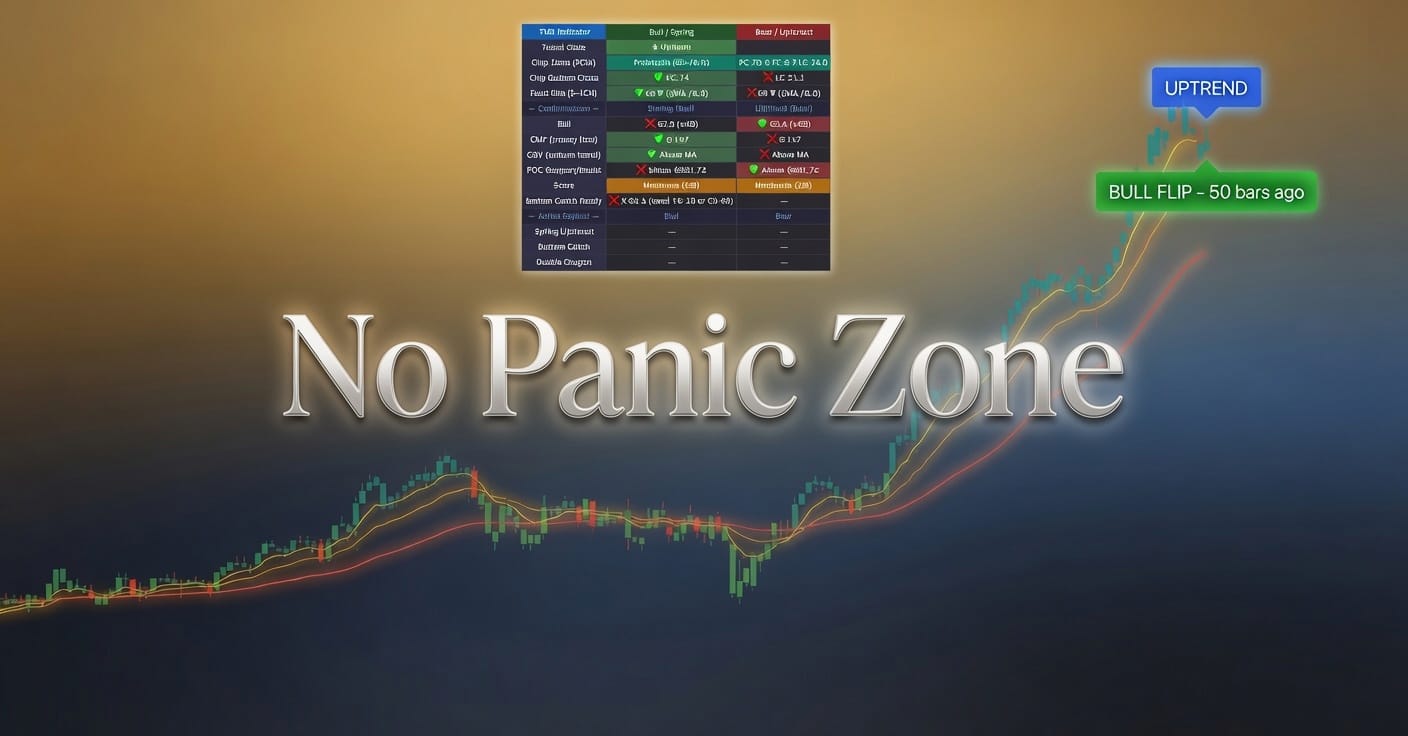
The technical setup doesn't care. The 200-day moving average doesn't know what a WaFd is. Support and resistance levels formed over months of price action will not pause to read the press release. Volume patterns that took years to develop will not adjust because two CFOs needed something to do on a Monday.
Retail traders will see the headline. They'll open their brokerage apps. They'll buy shares of something. Maybe EverBank. Maybe WaFd. Maybe Washington Federal, which is probably a different bank but has similar letters. They'll tell themselves they're early. They'll screenshot their position and post it with rocket emojis.
The chart doesn't read headlines. The chart doesn't attend merger calls. The chart doesn't care that some executive at WaFd gets to feel like Napoleon for a quarter before the integration team fires his entire floor.
In six months both banks will operate under one name. The logo will be worse. Branches will close. Customers will complain. The stock will trade somewhere. That somewhere was determined months ago by people who knew about this before the press release went out, and those people don't give a f*ck what you think a reverse merger means for enterprise value.
WaFd stockholders will wake up richer and dumber, which is the only merger arbitrage that ever actually works.
Photo by on Unsplash





Leave a Comment