

JPMorgan Chase and Goldman Sachs report earnings this week. Millions of retail traders will read the headlines. None of them will read the actual reports.
The banks will beat estimates or miss estimates. Analysts will explain why this matters. The stock will move in the opposite direction of what makes sense. Some guy on Twitter with a laser-eyed avatar will claim he predicted it. He did not predict it.
Here's what happens every quarter. The bank reports earnings per share of $3.52. The estimate was $3.48. CNBC calls it a beat. The stock drops four percent because net interest margin compressed by eleven basis points and forward guidance mentioned the word "cautious" twice. A retail trader who bought calls that morning will spend his lunch break googling what net interest margin means. He will not understand the explanation. He will buy more calls.
Goldman will report whatever Goldman reports. Their earnings release will contain forty-seven footnotes and sixteen separate business segment breakdowns. Retail traders will read the headline number and nothing else. They will make decisions involving real money based on a two-sentence summary written by a bot.
The best part is how these reports "set the tone for the rest of the reporting period." They set the tone the same way a weather vane sets the direction of the wind. The tone was already set. The market already knew. The institutional money already moved. Retail is just finding out now.
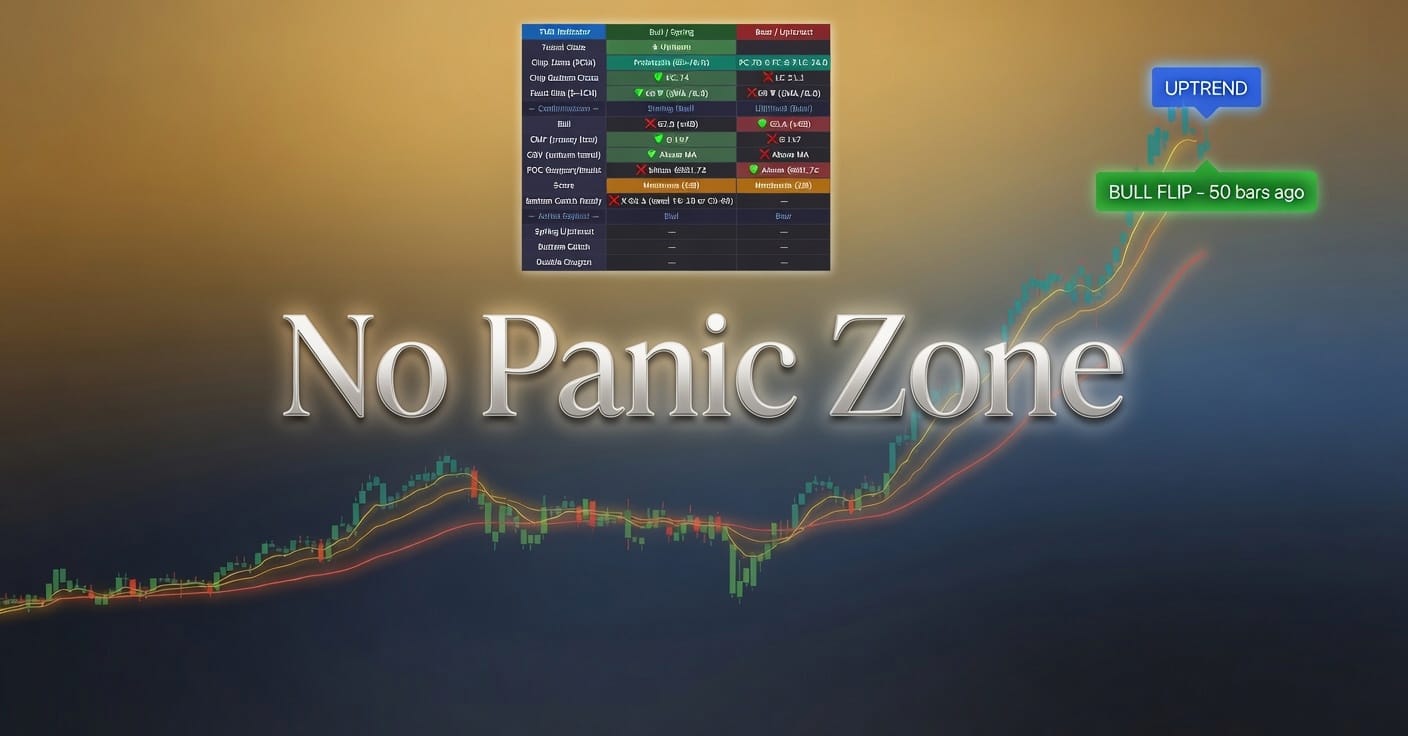
Technical analysts don't care what JPMorgan earned. We care that the stock bounced off support at $143.20 three times in two weeks. We care that volume dried up above $148. Earnings are just the excuse the stock uses to do what it was going to do anyway.
But sure, read the earnings preview articles. Make your trades based on whether some bank you'll never work for made slightly more or slightly less than expected. That's worked out great for you so far.
Photo by on Unsplash





Leave a Comment