
The Department of Justice is investigating whether a TV pool violated antitrust law by stopping coverage after the White House banned CNN, MSNBC, and Politico from press briefings. The same government that barred the outlets is now probing whether the broadcasters colluded by refusing to cover the administration that just kicked their colleagues out.
This is like punching someone in the face and then calling the police because they stopped inviting you to dinner parties.
The TV pool—a consortium of networks that share footage—apparently decided that solidarity with banned competitors mattered more than exclusive access to whatever word salad was being served that day. The White House didn't like this. The DOJ, which works for the White House, opened an investigation.
Antitrust law exists to prevent companies from colluding to harm consumers. The theory here is that viewers were harmed when broadcasters collectively refused to film government officials explaining why certain journalists weren't allowed in the room. The consumer harm was not getting to watch C-SPAN footage of a podium.
Picture the meeting where this investigation launched. Some DOJ lawyer had to stand up and argue with a straight face that the real antitrust violation wasn't the government banning specific outlets, but rather the remaining outlets saying "no thanks" to covering it. That lawyer went to law school for seven years.
The probe went nowhere, because of course it did. But for a brief moment, the federal government investigated whether refusing to film the government violated antitrust law. That's the kind of legal theory you'd expect from a day trader who just discovered options and thinks he's found a loophole in market mechanics.
The White House banned journalists, the pool walked out in protest, and the DOJ responded by threatening the pool with antitrust charges for not doing the government's PR work for free.
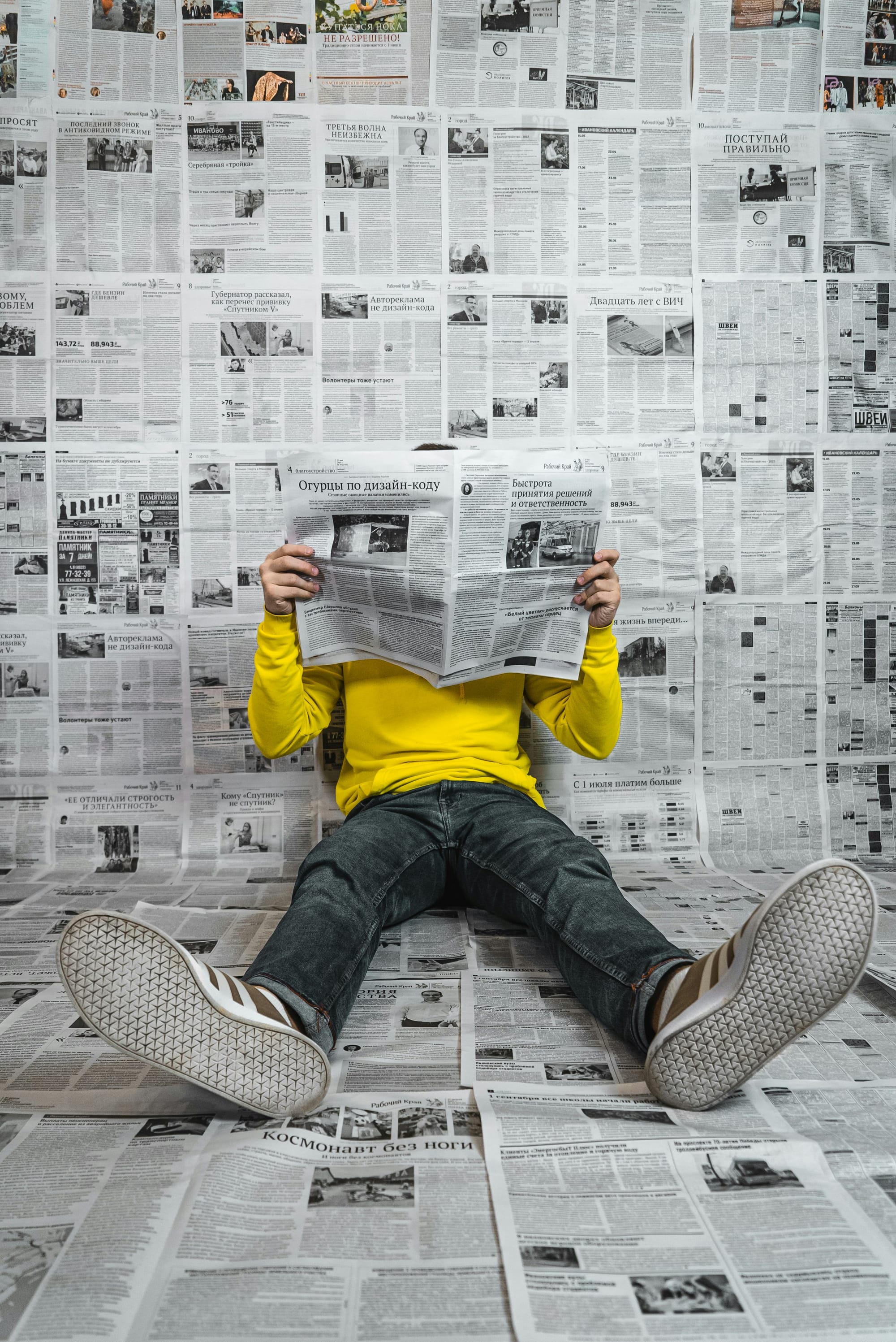
Photo by Gabriel Tovar on Unsplash





Leave a Comment