

Americans vote Nov. 3. Affordability is the big issue. Groceries, rent, gas, health insurance. Everyone has a theory about who made them poorer.
Here is my theory. Nobody knows.
Voters will walk into a gymnasium that smells like floor wax. They will stand in a cardboard booth. They will punish whoever holds office for a grocery bill that was set by weather, shipping lanes, and a guy named Doug at a distribution center in Ohio.
Doug is not on the ballot.
Economists say prices, jobs, and interest rates could sway voters. Analysts will explain this on television for six straight weeks. They will use charts. The charts will have arrows. The arrows will point at a feeling.
Affordability is not a data point. It is a mood with a receipt.
Retail traders will watch the returns with a brokerage app open. They will buy a defense stock because a senator frowned. They will sell it at 2 a.m. because a different senator smiled. Their portfolio will resemble a hostage video.
Some will say the market reacts to elections. The market reacts to everything. It reacted to a tweet once. It reacted to a sandwich. It is a toddler with a Bloomberg terminal.
Politicians promise lower prices. Politicians also promise to read the bill. Both promises age like milk in a parked Buick.
The economy will be described as strong by one party and a disaster by the other. Both will cite the same jobs report. One of them will be holding it upside down.
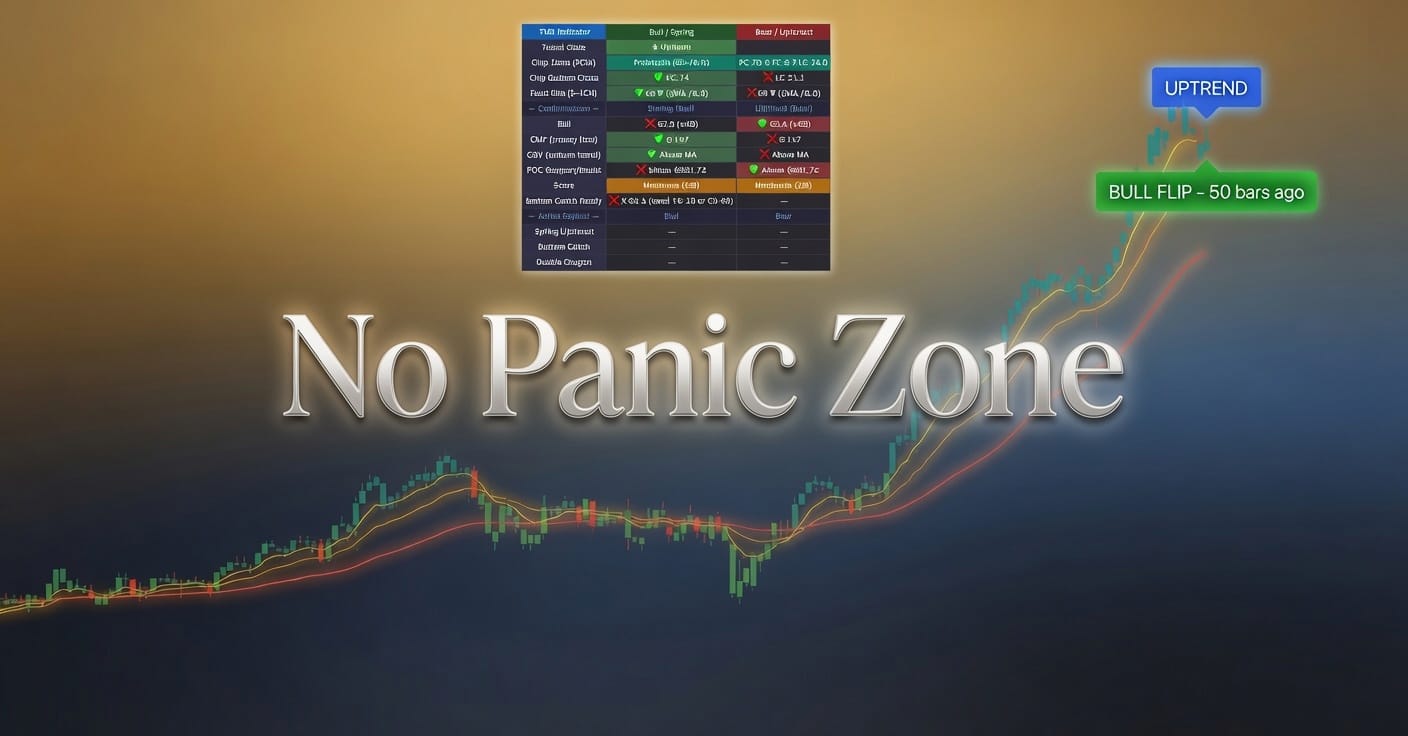
My technical read: the line goes up, the line goes down, and a man in a quarter-zip says it was all priced in. Voting changes the line about as much as yelling at a lighthouse.
Go vote anyway. It is the only trade you will make this year that cannot be margin called.
Photo by Element5 Digital on Unsplash



Leave a Comment