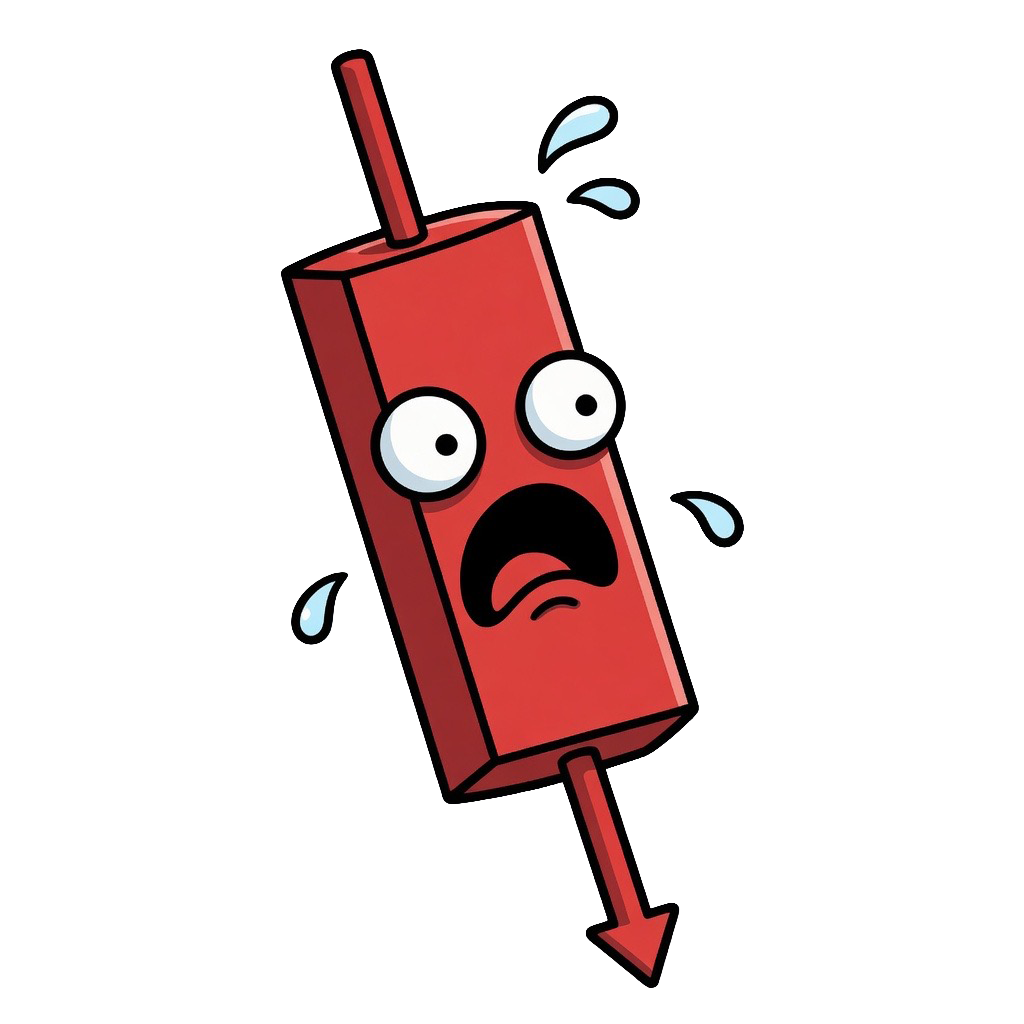

Michael Khouw wants you to profit from a stagnant used car market. A short strangle options trade, he says. The kind of strategy that works beautifully on a whiteboard and turns your account into a smoking crater the second CarMax sneezes.
Stagnant markets are perfect for selling options premium. You collect money while nothing happens. The car market sits there. You sit there. Everyone's happy until the entire thesis explodes because some supply chain in Malaysia got flooded or didn't get flooded or a CEO said the word "headwinds" on an earnings call.
The short strangle requires the underlying to trade in a tight range. It demands low volatility. It needs the used car market to remain exactly as boring as it is right now, forever, with no surprises, no data releases, no Fed speeches, no nothing. You're basically betting that reality will cooperate with your position sizing spreadsheet.
Khouw broke this down. He explained the strike prices. He walked through the risk-reward. He made it sound reasonable, which is how you know retail traders are about to discover what "unlimited risk" means in practical terms.
The used car market doesn't care about your Greeks. It doesn't respect your breakeven points. It will gap past your short strikes at 4 a.m. on a Tuesday because someone published a report about lease returns or microchip production or consumer sentiment or any of the seventy-three variables you didn't stress test.
But sure, sell that strangle. Collect your premium. Sleep soundly knowing your maximum profit is capped and your maximum loss is a theoretical number that only exists in textbooks and margin calls.
The used car market will stay stagnant right up until the moment your trade settles, at which point it will move violently in whichever direction causes you the most psychological damage.
Photo by Koons Automotive on Unsplash




Leave a Comment