

The VIX hit 22. First time in four months. Traders looked at this number and decided the correct response was to bet it goes higher. Brilliant stuff.
Let me walk you through the logic here. AI stocks sold off. The fear gauge spiked. A cluster of trades appeared betting on more fear. So the people scared enough to push the VIX up are now paying money to bet they'll get more scared. This is like buying fire insurance while your house is actively burning and thinking you've discovered alpha.
The VIX measures implied volatility on S&P 500 options. It does not measure actual danger. It measures how much people will pay to protect themselves from danger they imagine might happen. When the VIX rips higher, it means traders are spending more money on insurance. When they bet it goes even higher, they're buying insurance on their insurance. Somewhere a derivatives desk is laughing so hard they pulled a muscle.
These cluster trades suggest institutional money thinks 22 is just the beginning. Could be right. Probably is. But here's what they won't tell you in the Bloomberg terminal: the VIX is mean-reverting. Always has been. Spikes hard, drops harder. The traders piling into these bets know this. They're not trying to catch a trend. They're trying to get out before you do.
Retail saw the headline about AI stocks selling off and panic-clicked into VIX calls they don't understand. The professionals saw retail panicking and sold them expensive options with IV already jacked to the moon. One of these groups will make money. I'll give you three guesses which one, and the first two don't count.
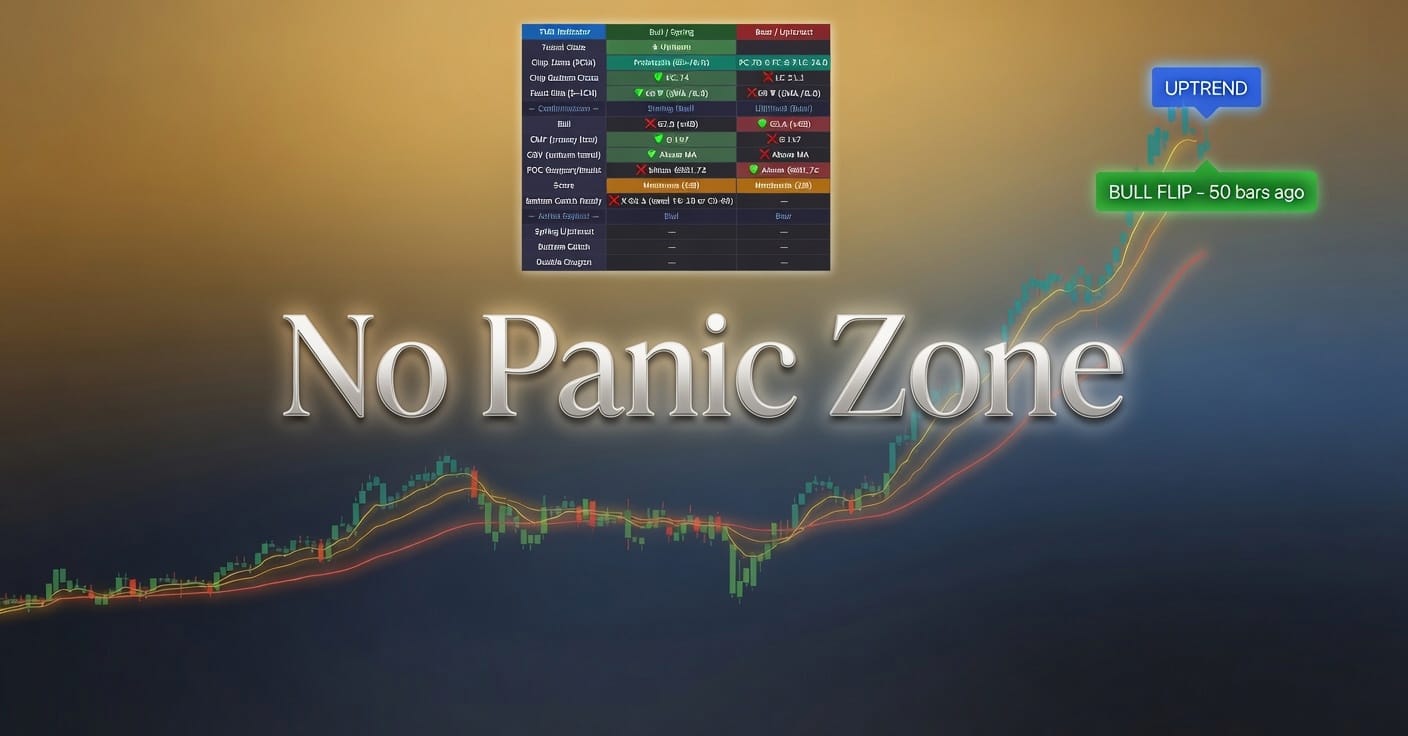
The VIX could hit 30 tomorrow. Could hit 15. The chart doesn't care about your feelings or your cluster trades. But the people selling you those trades? They care deeply about their bonuses.




Leave a Comment